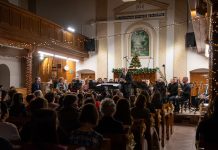
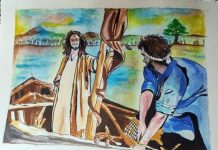
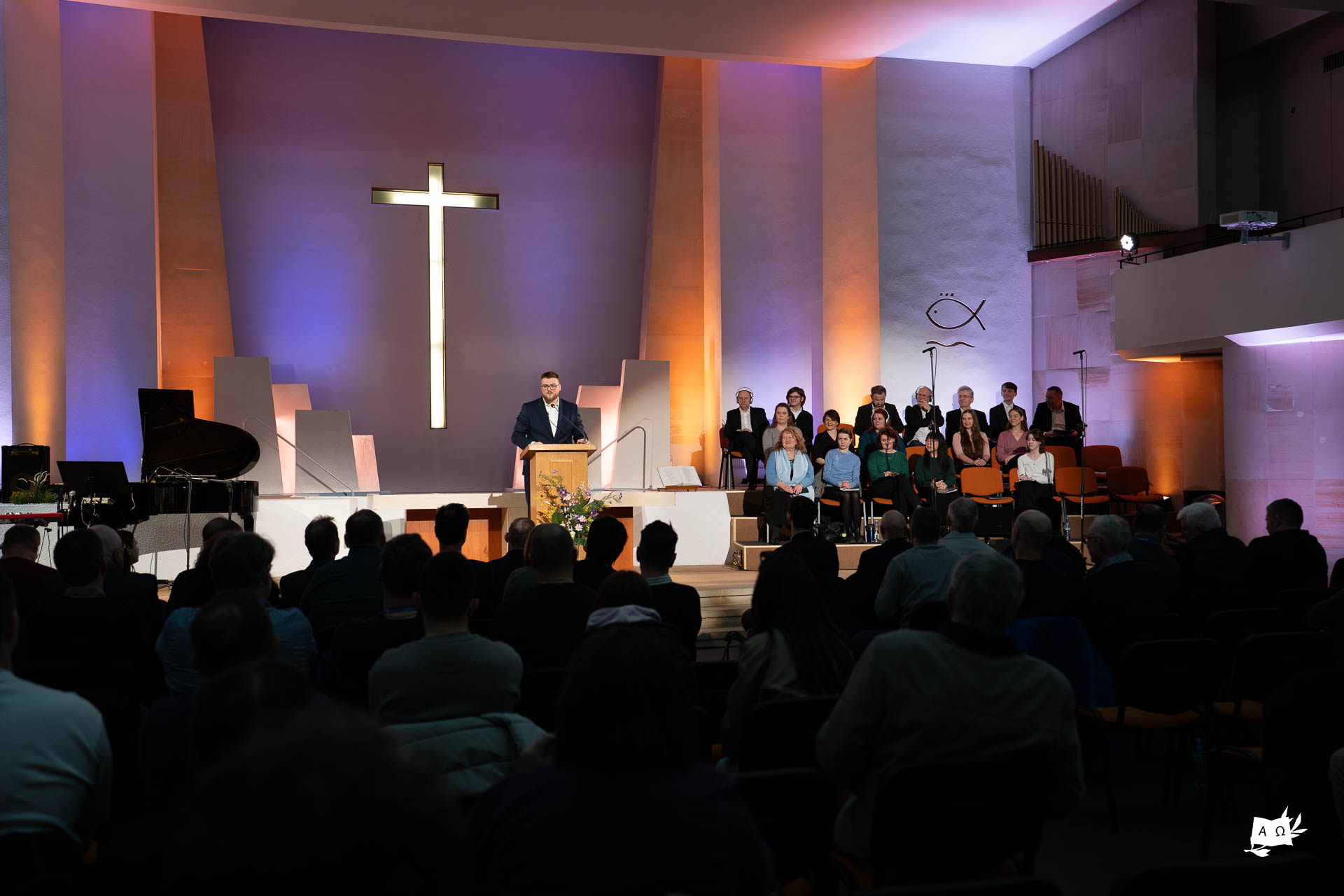
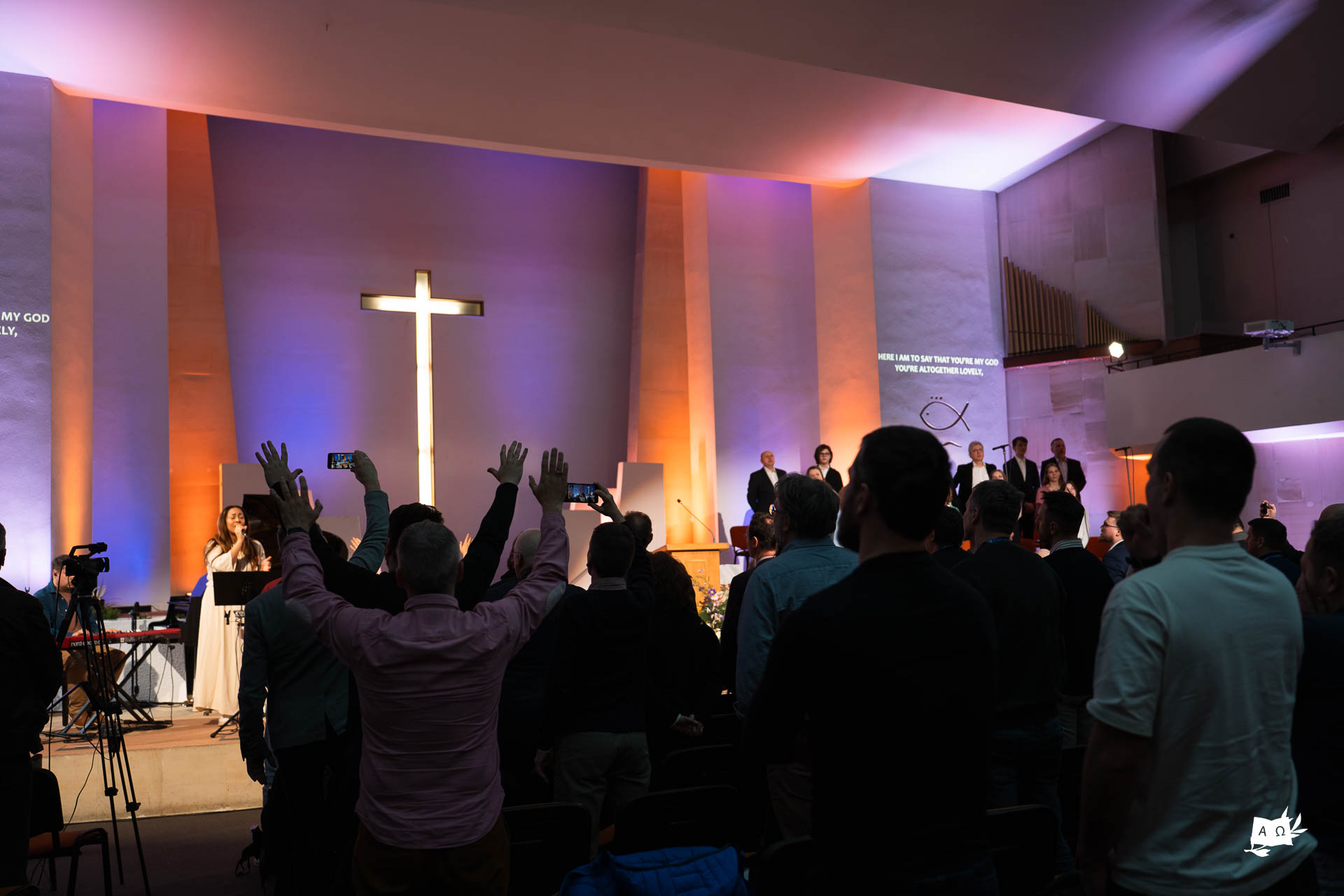
273 megtekintés Élő közvetítés dátuma: 2025. ápr. 6. Igehirdetés a Lk 15:3-7 igeversek alapján. Kiskőrösi Baptista Gyülekezet
„3Ő ezt a példázatot mondta nekik: 4Ha valakinek közületek száz juha van, és elveszít közülük egyet, vajon nem hagyja-e ott a kilencvenkilencet a pusztában, és nem megy-e addig az elveszett után, amíg meg nem találja? 5És ha megtalálta, felveszi a vállára örömében, 6hazamegy, összehívja barátait és szomszédait, majd így szól hozzájuk: Örüljetek velem, mert megtaláltam az elveszett juhomat. 7Mondom nektek, hogy ugyanígy egyetlen megtérő bűnös miatt nagyobb öröm lesz a mennyben, mint kilencvenkilenc igaz miatt, akiknek nincs szüksége megtérésre.” (Lk 15:3-7)
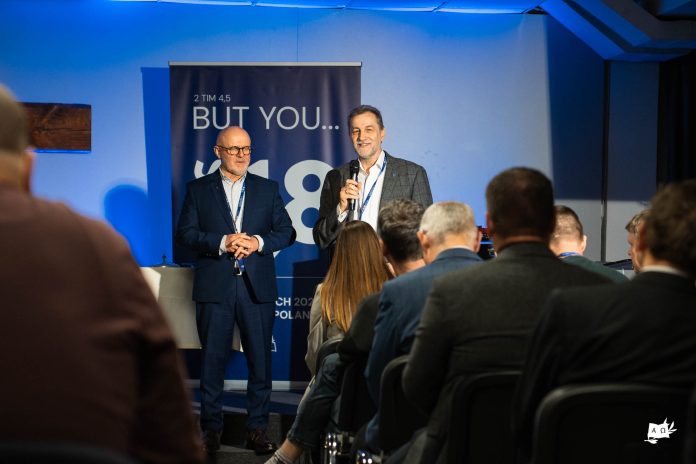
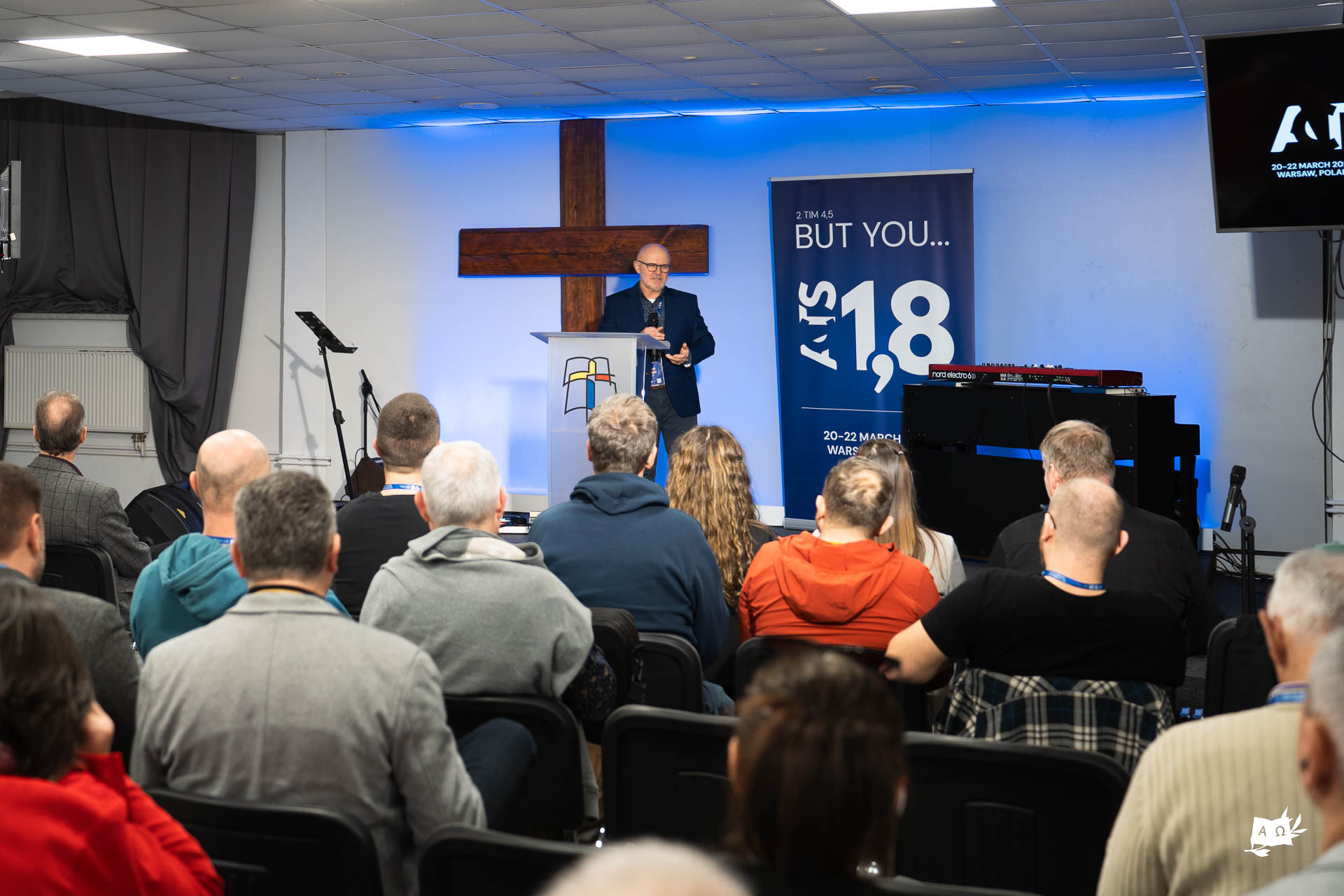
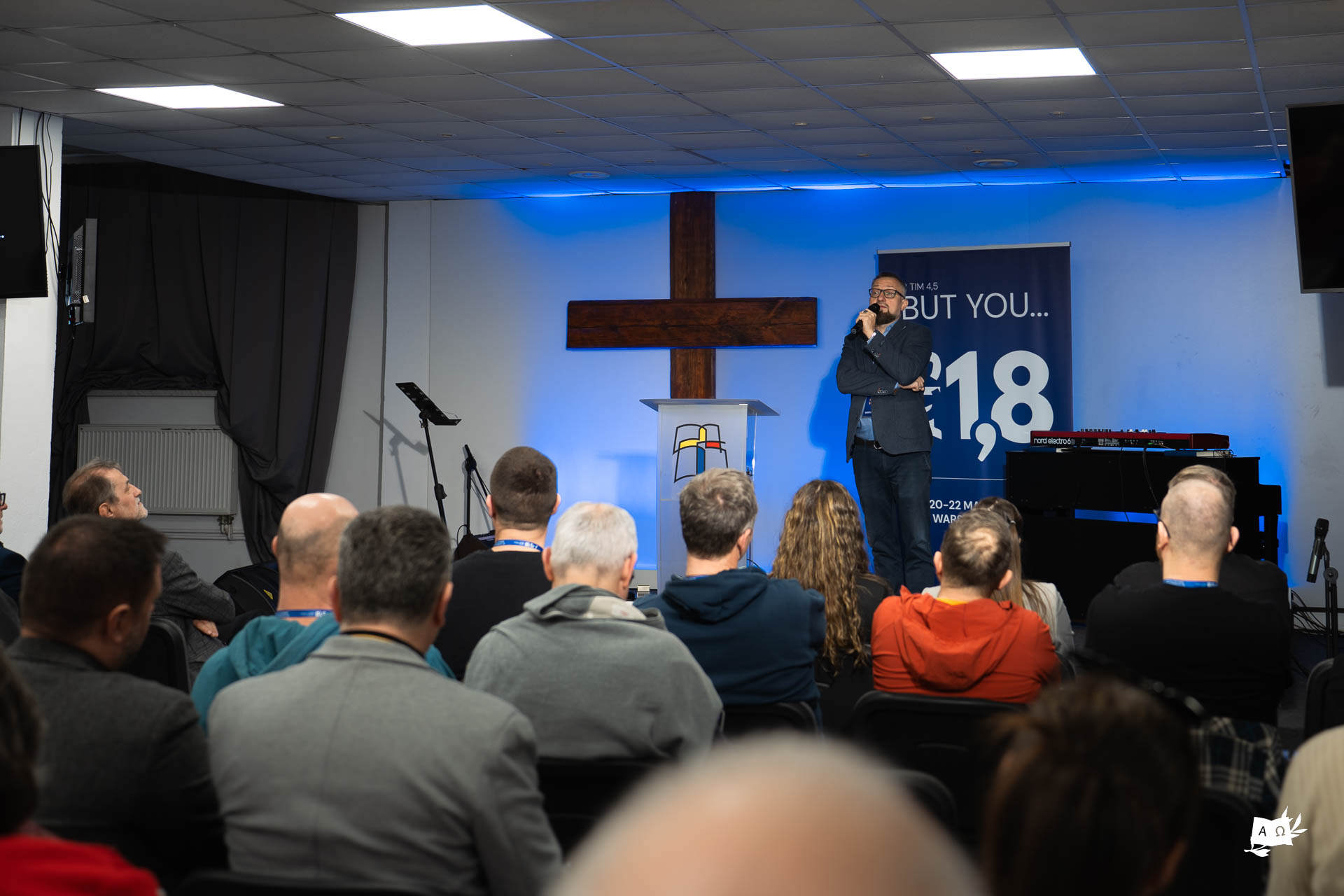
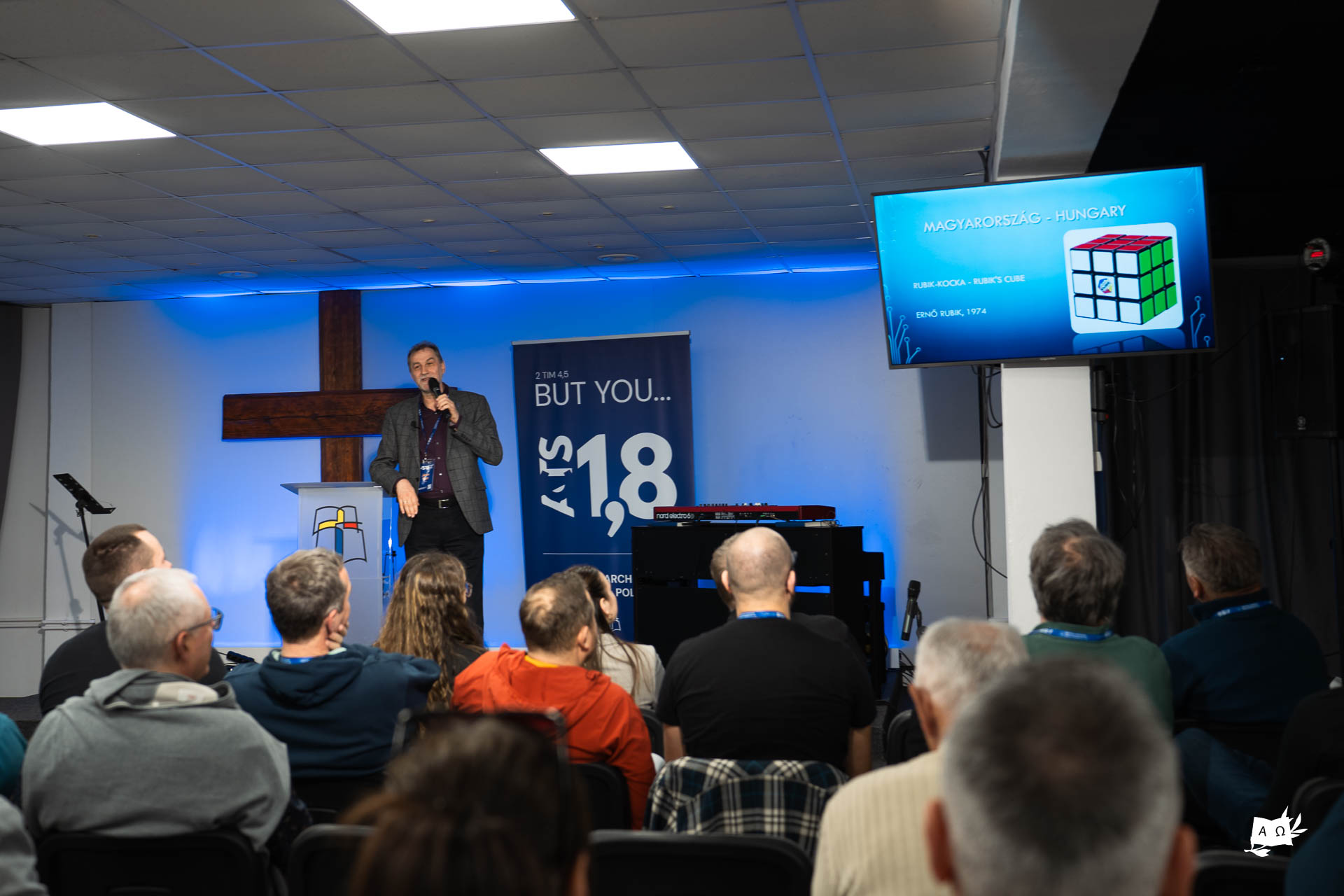
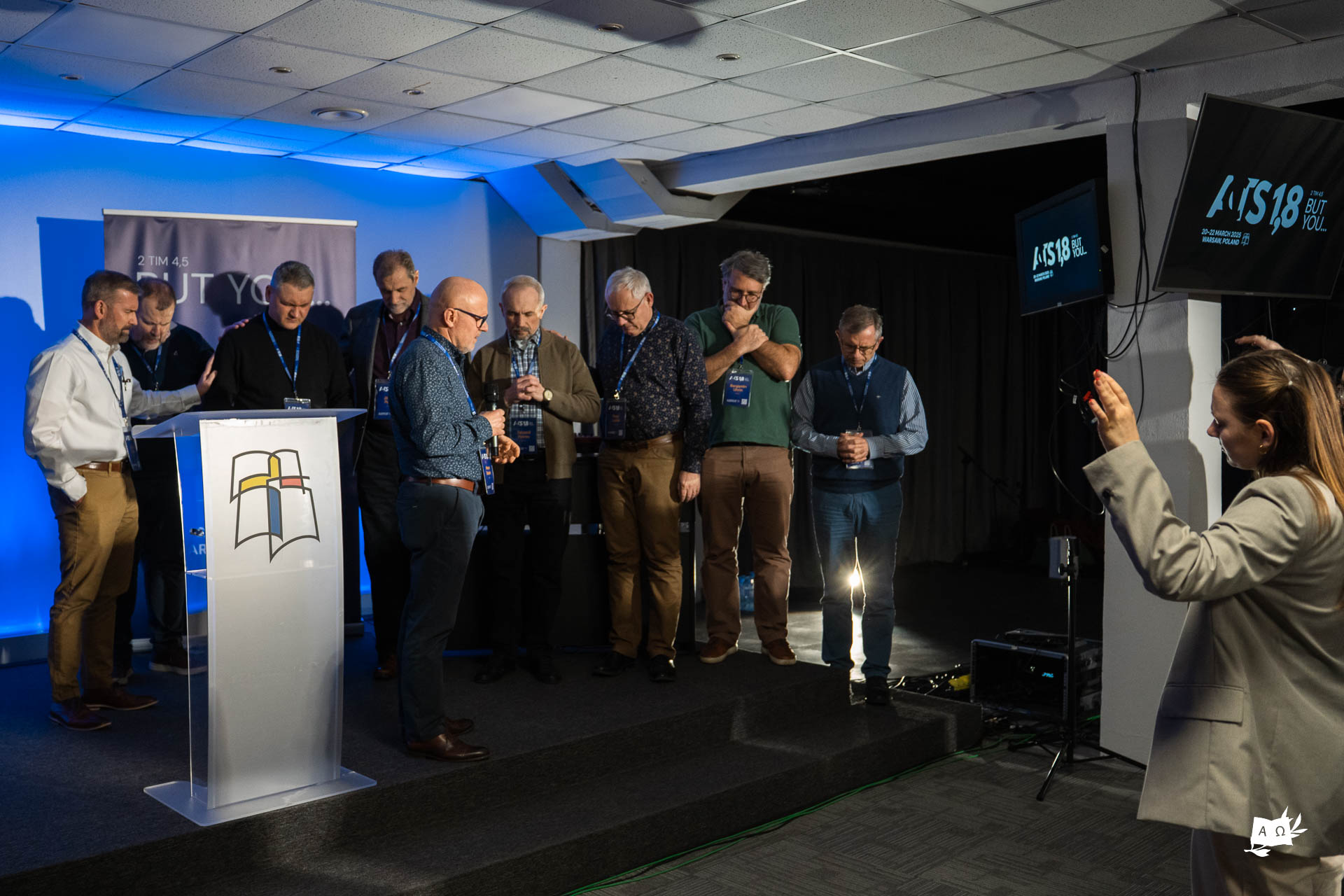
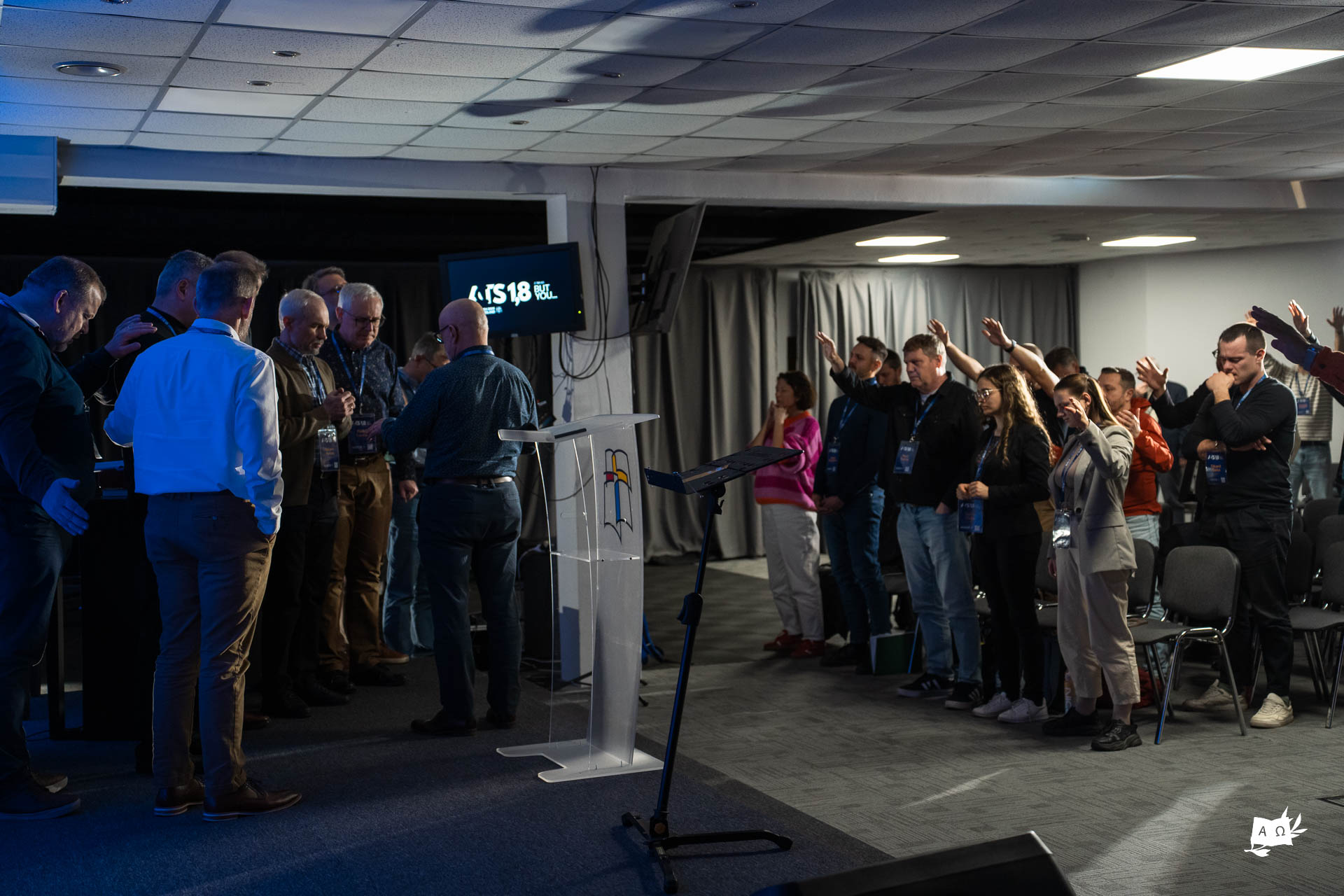
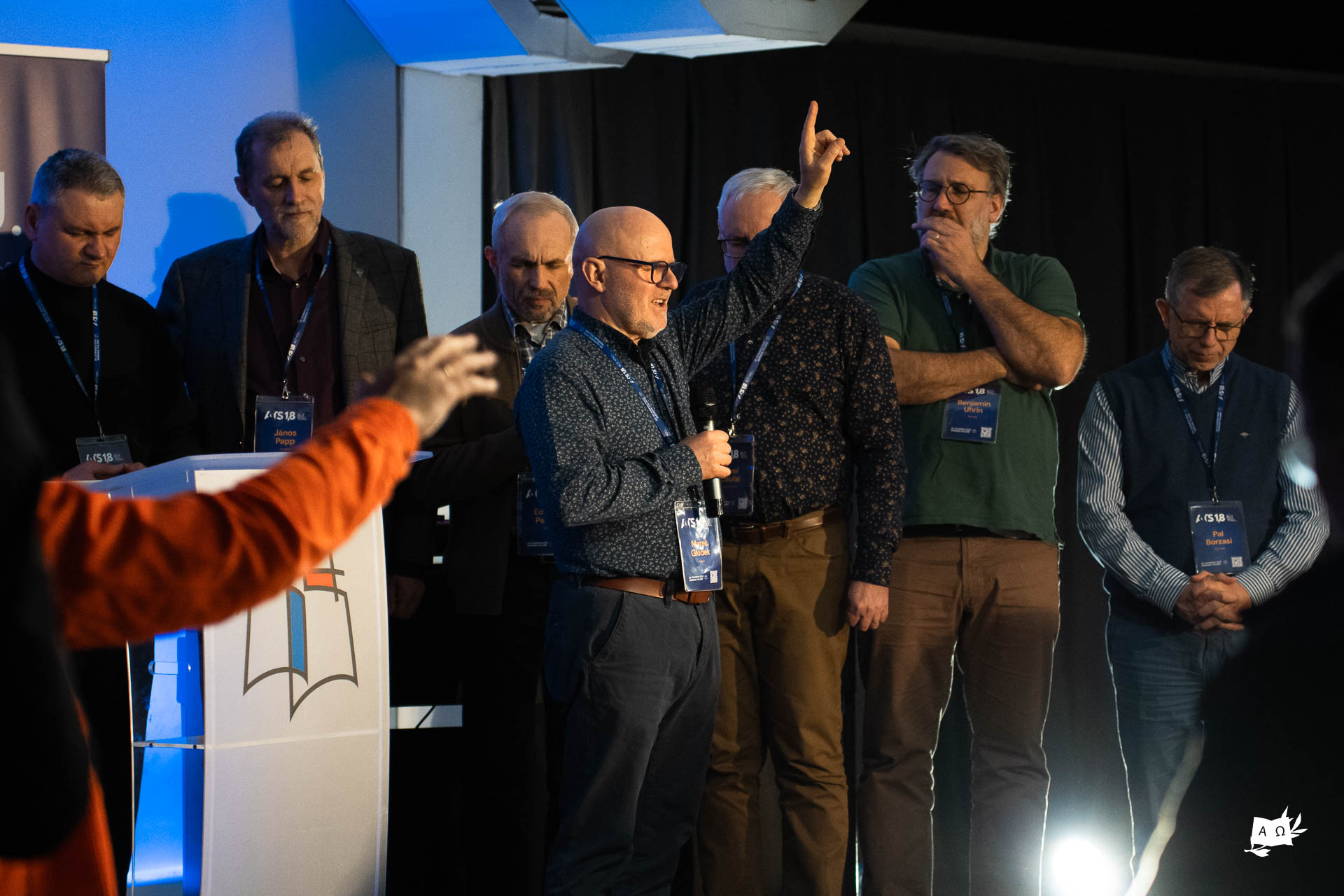
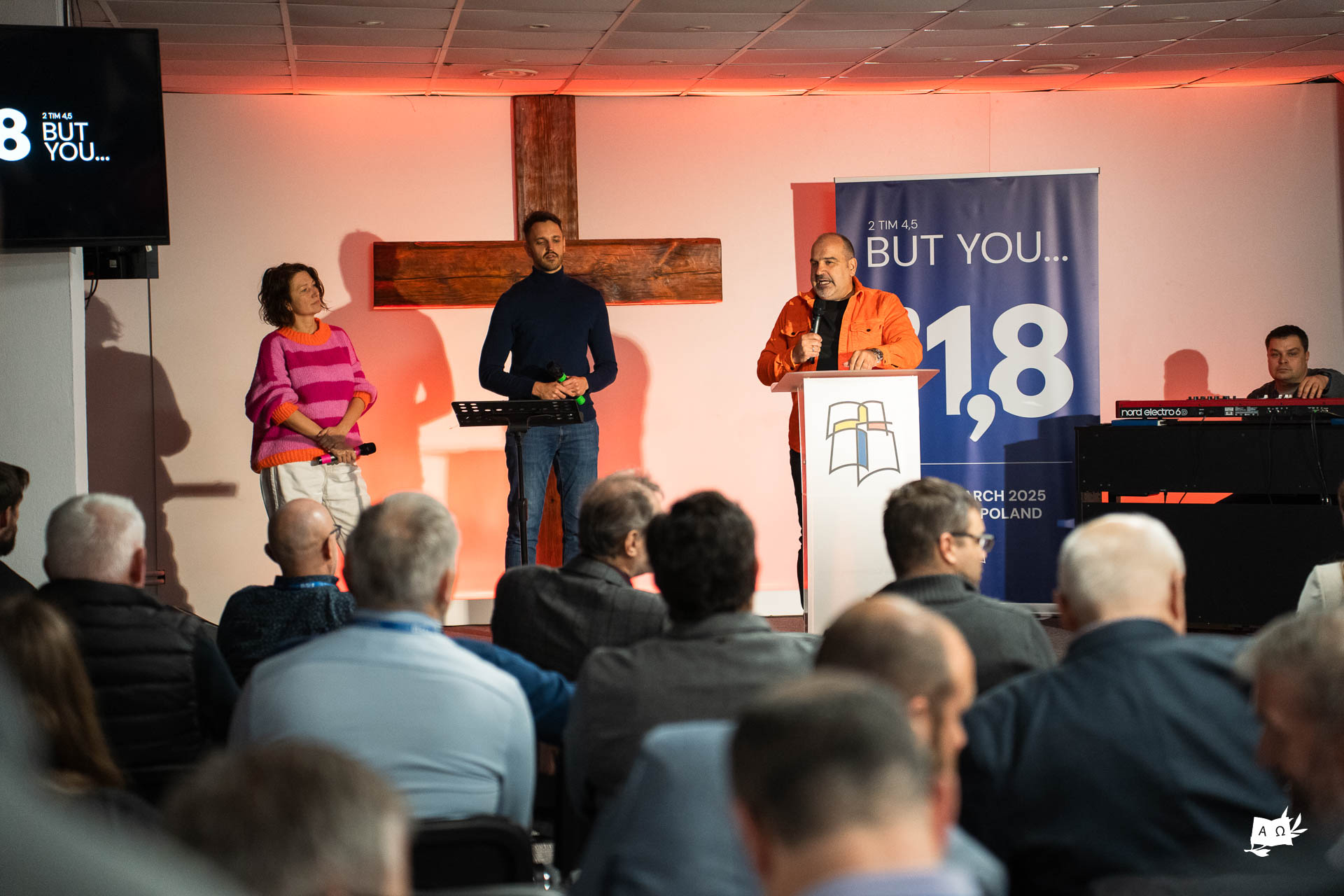
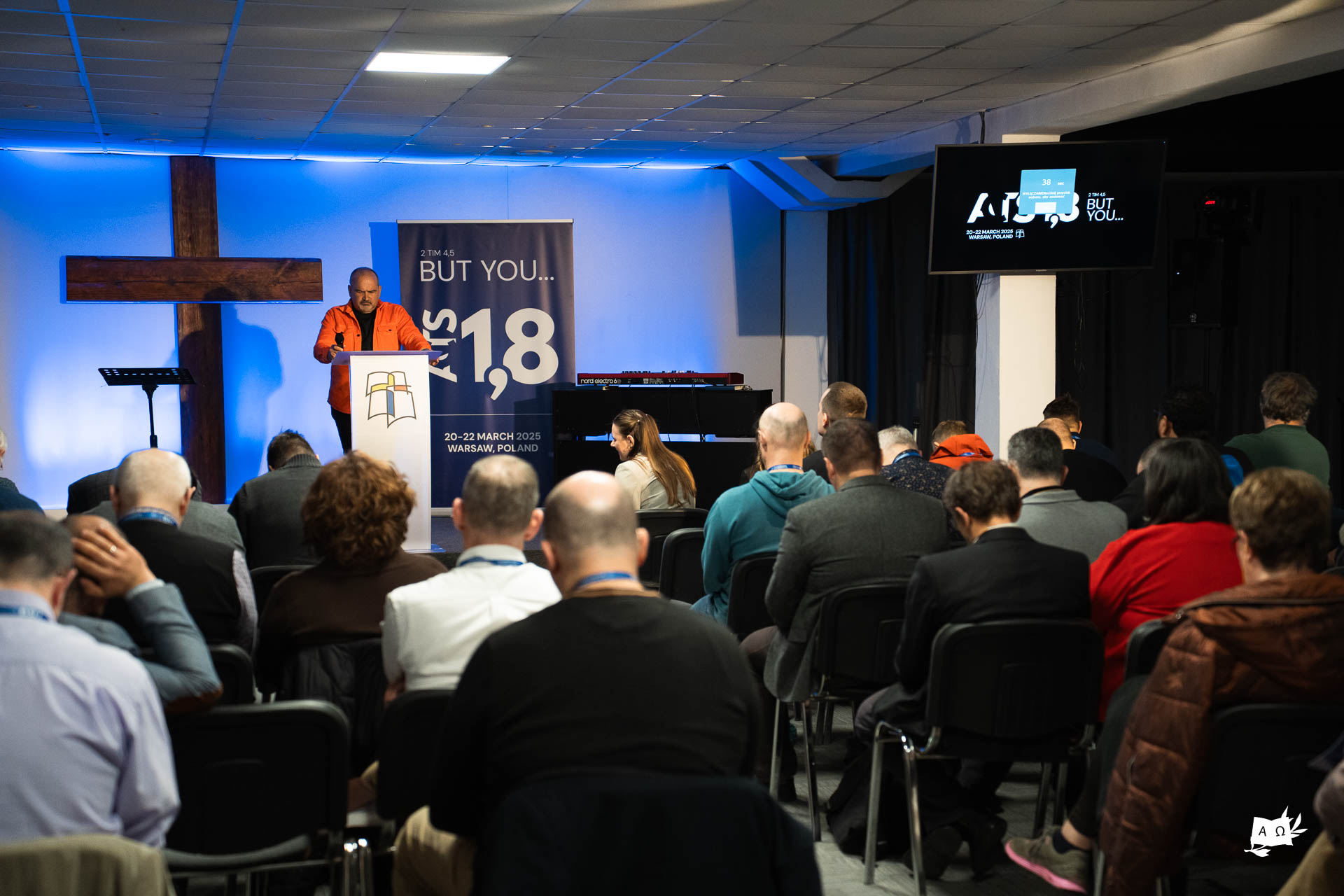
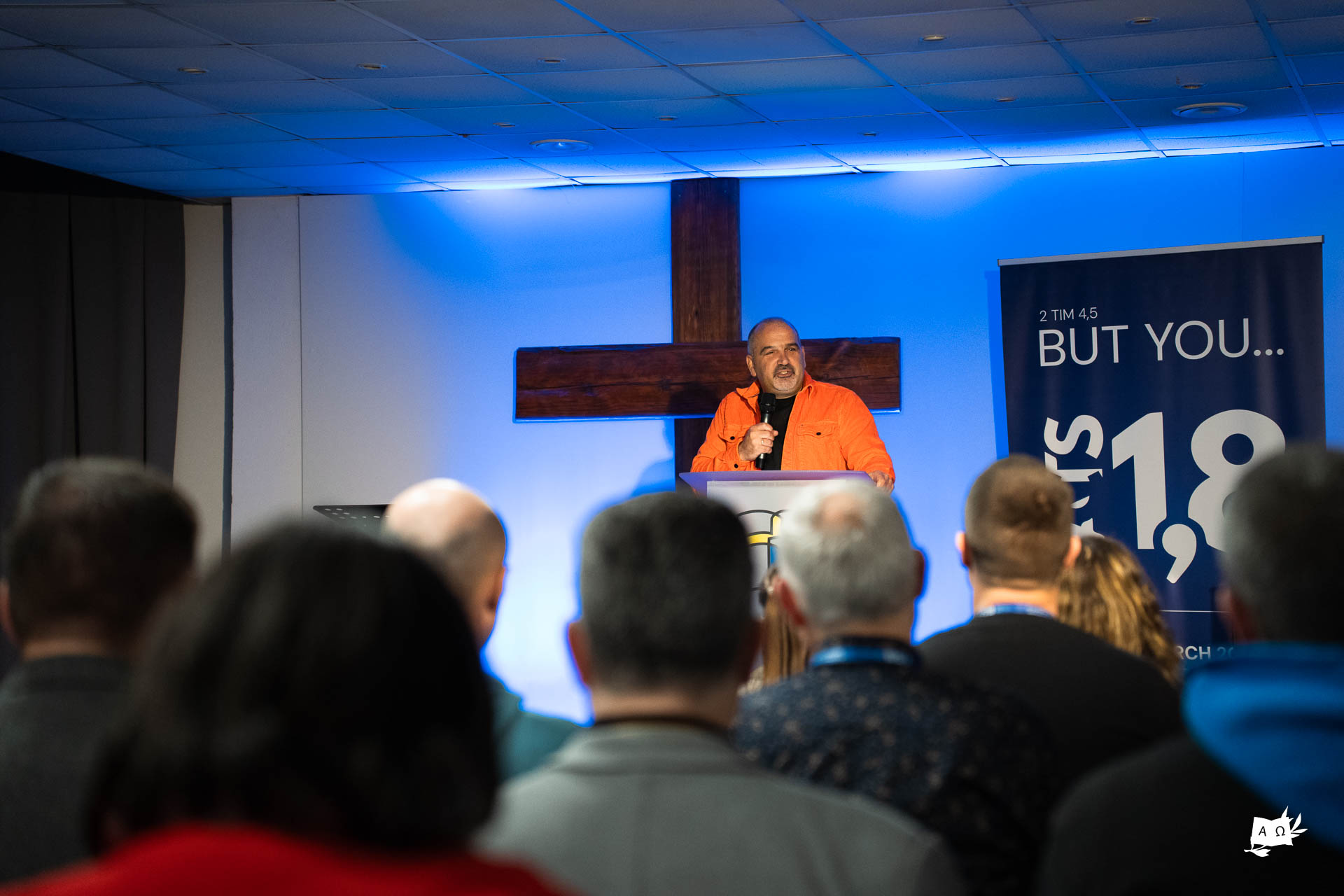
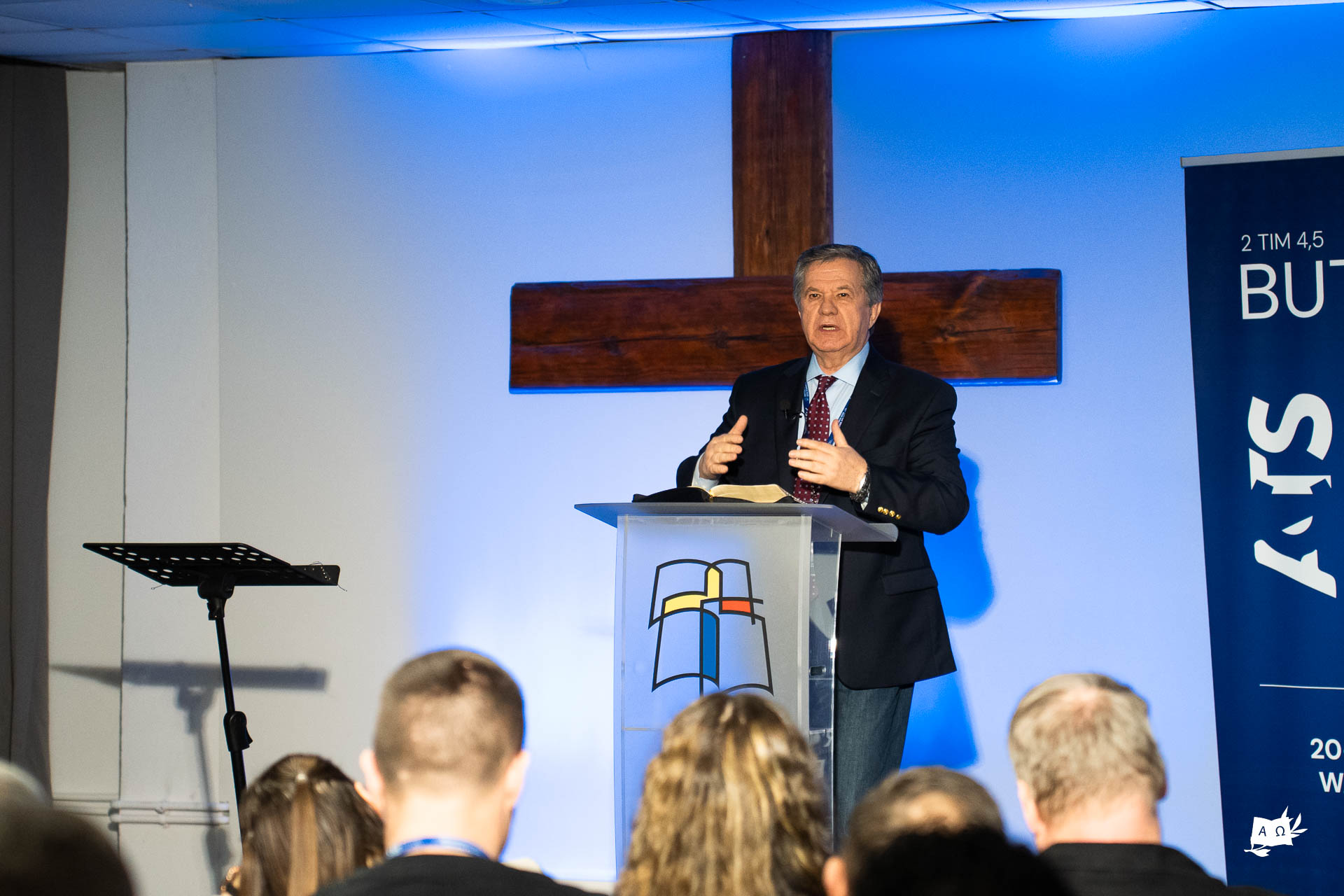
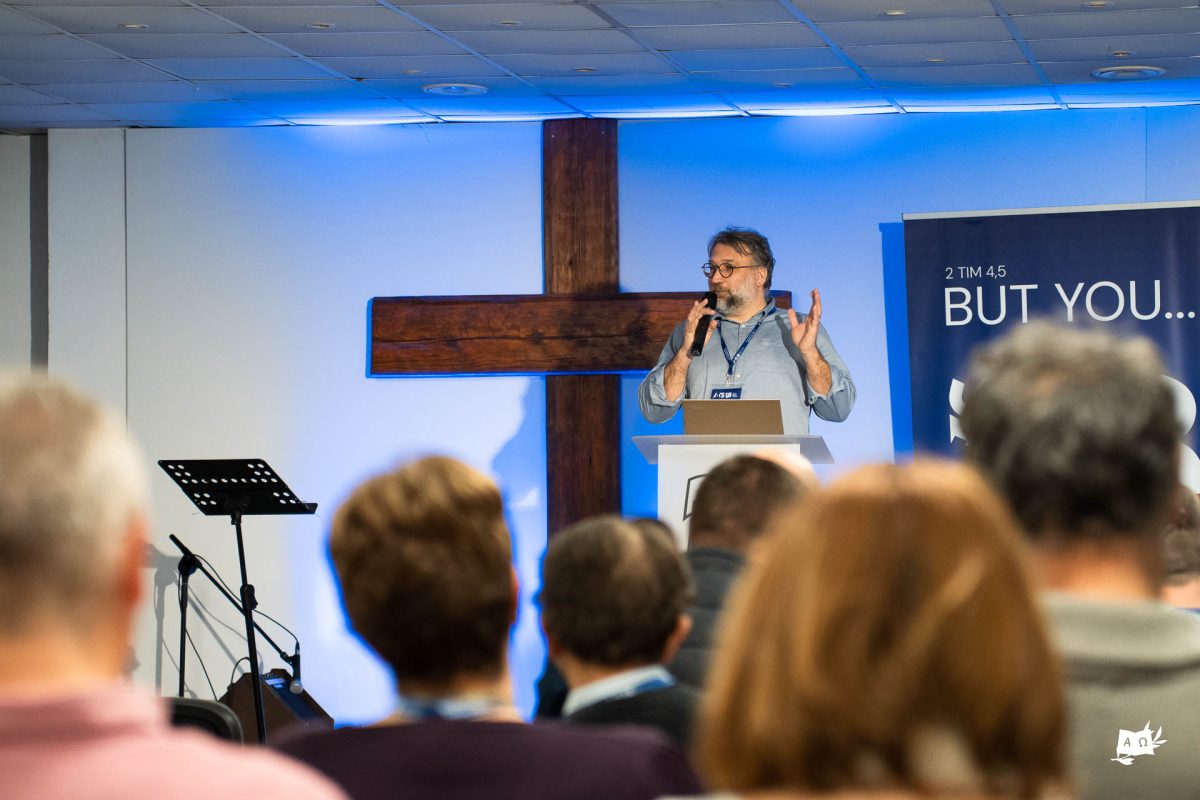
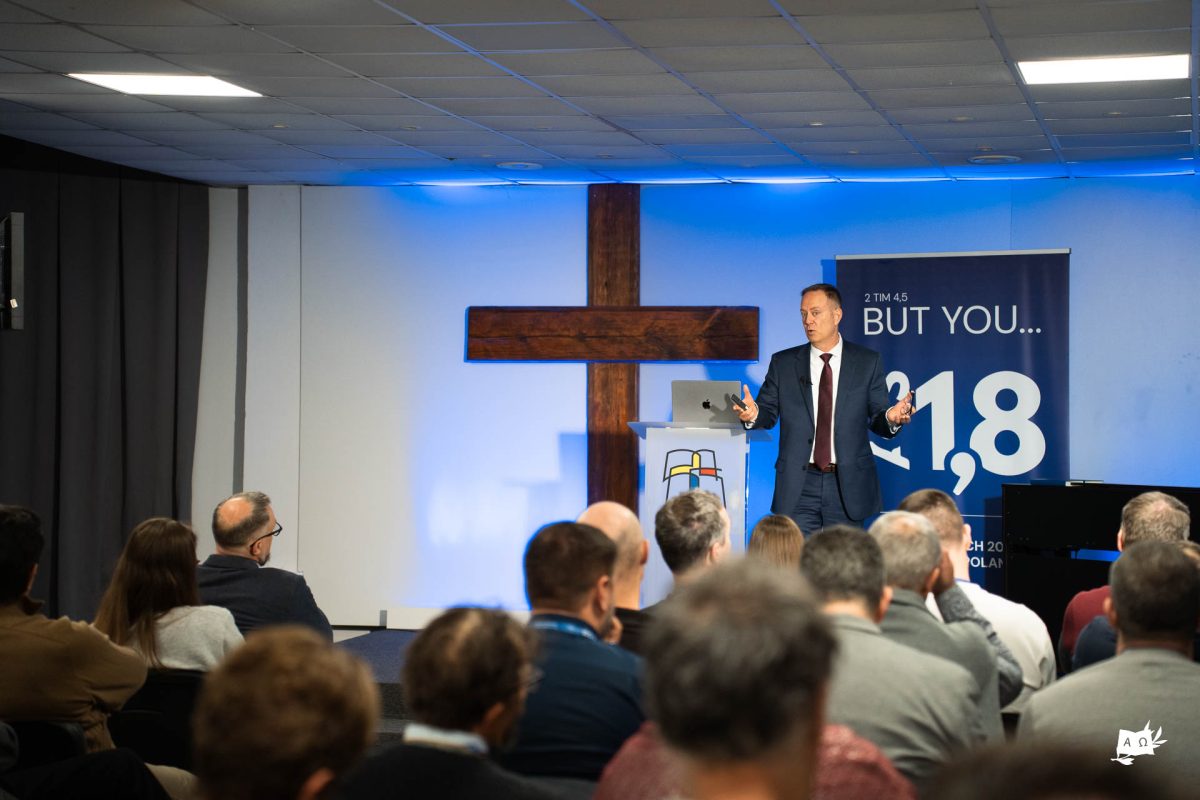
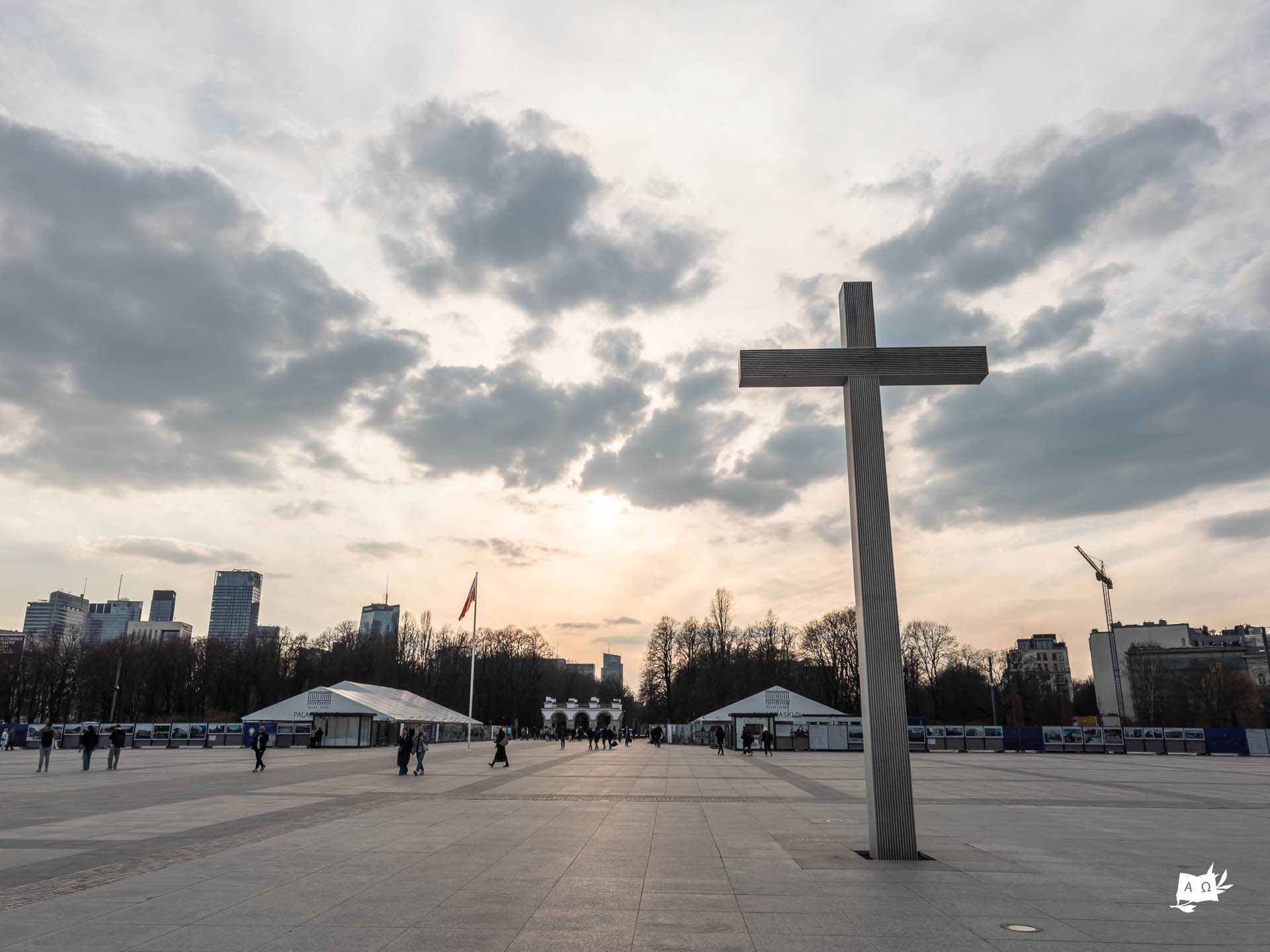
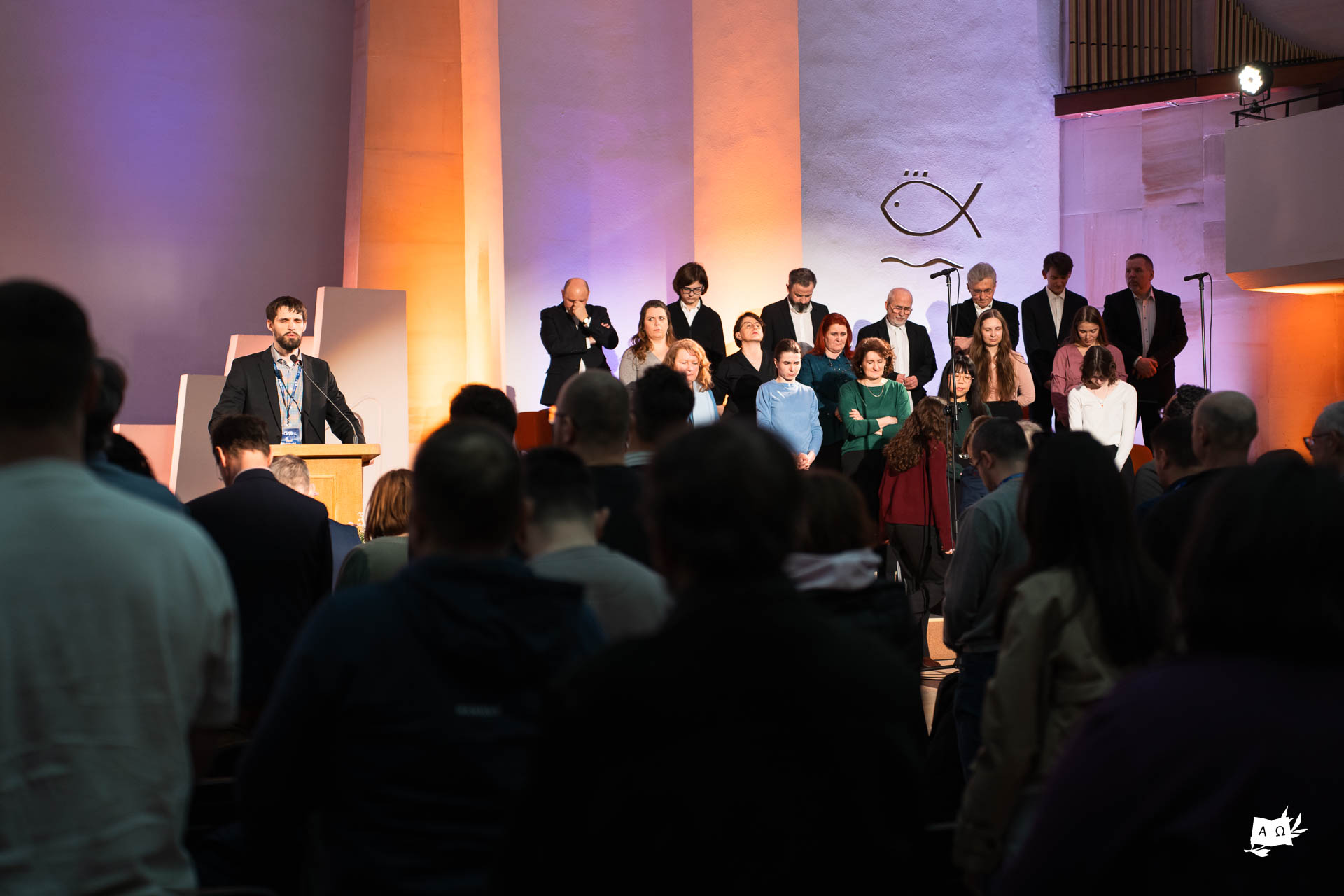
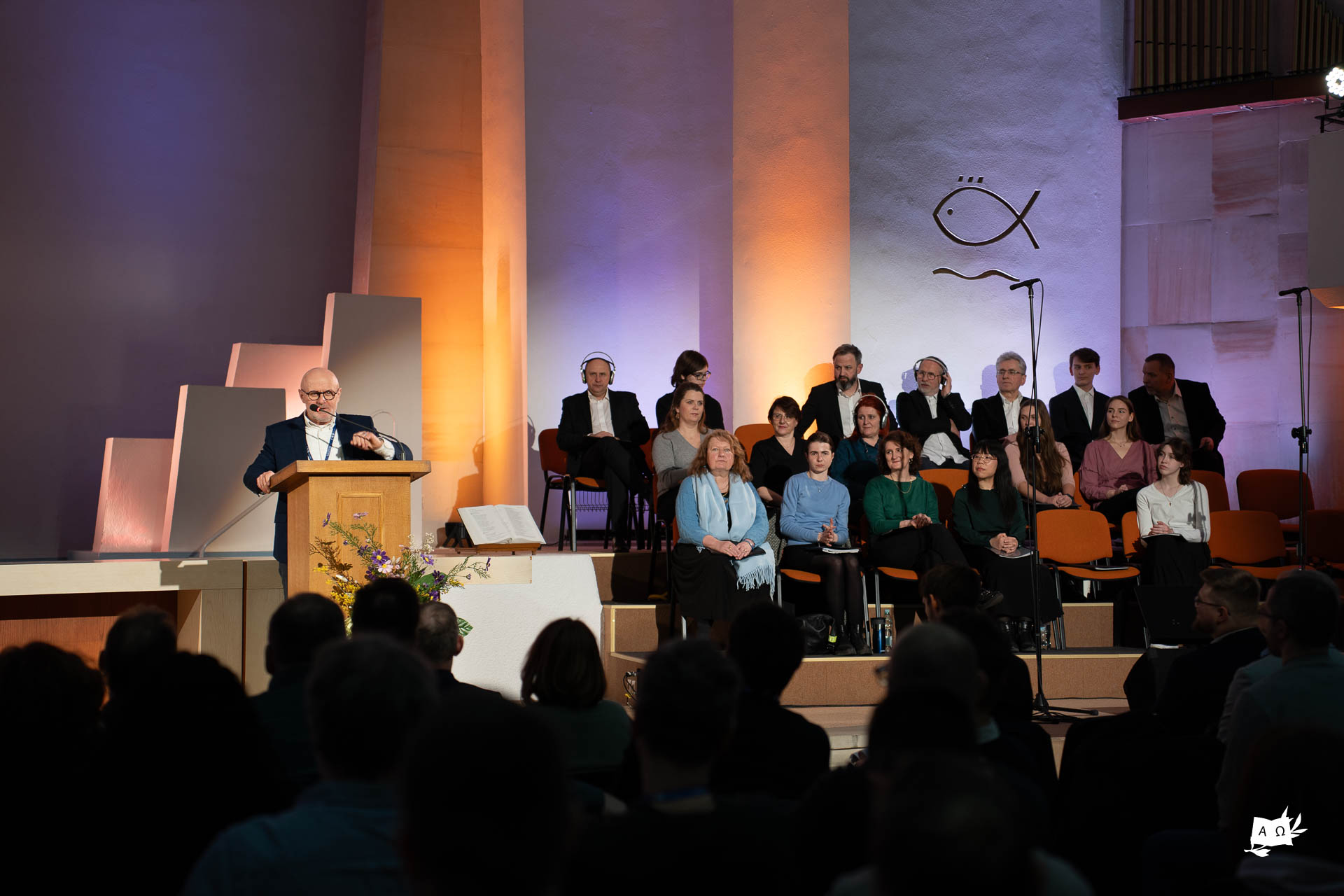
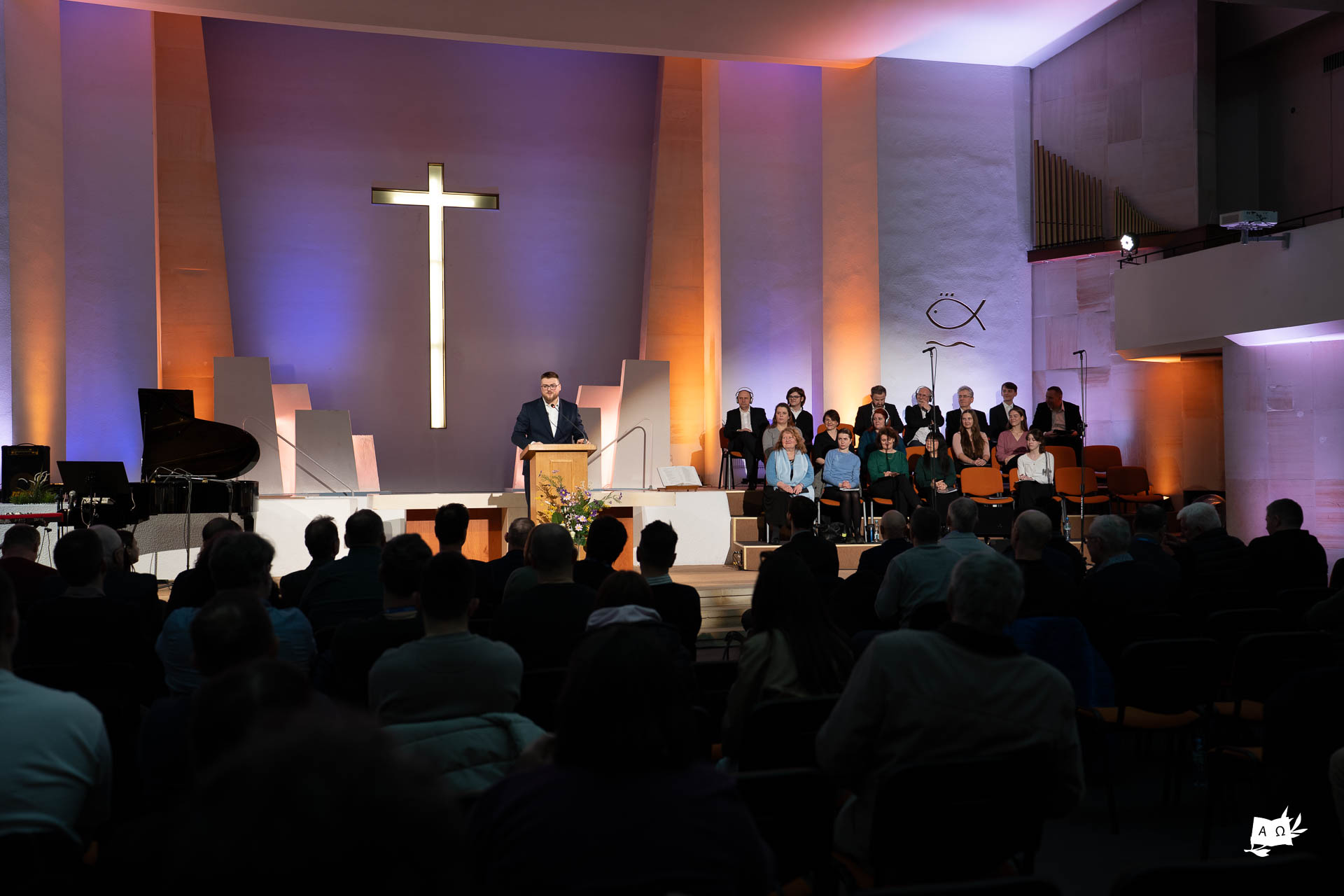
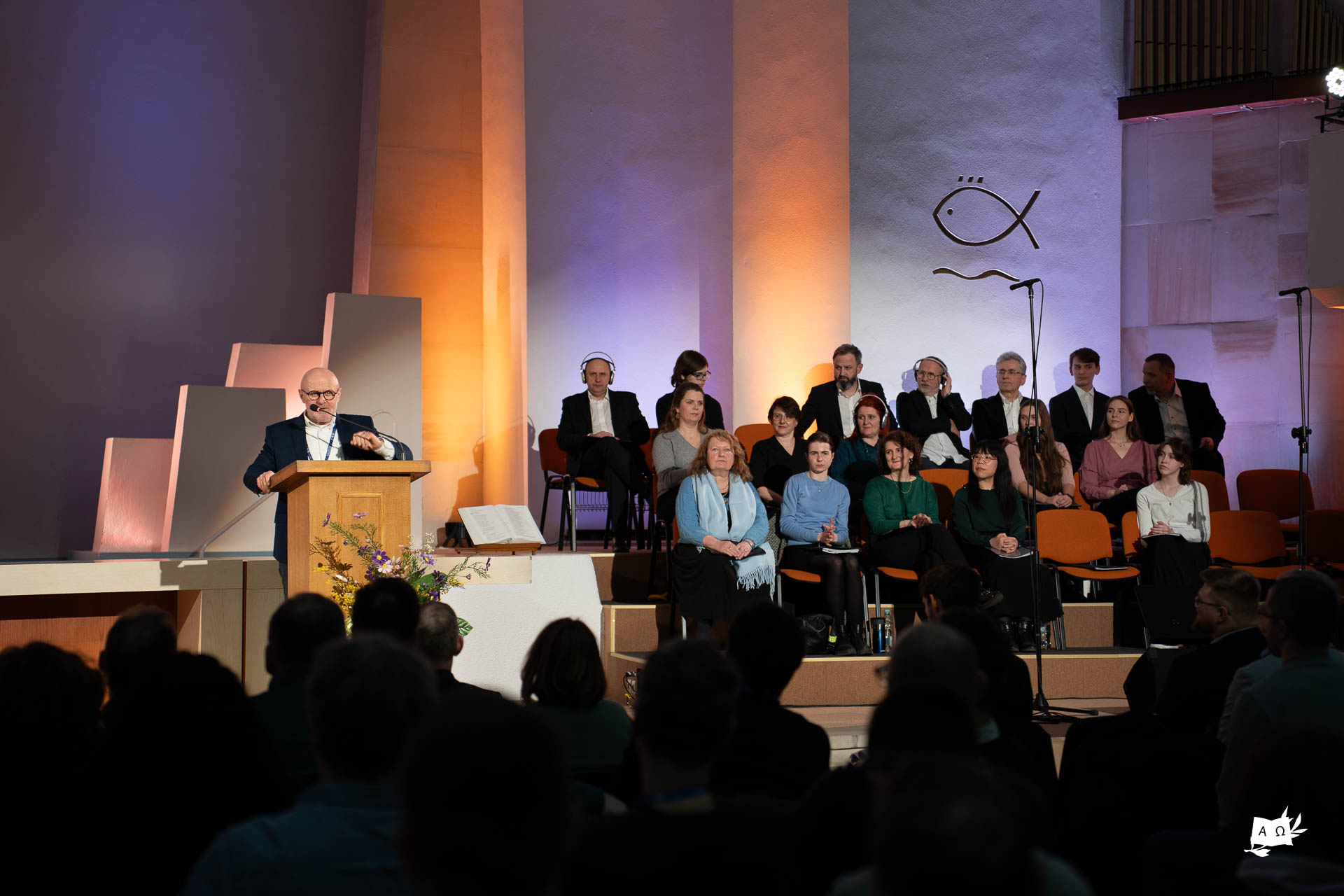
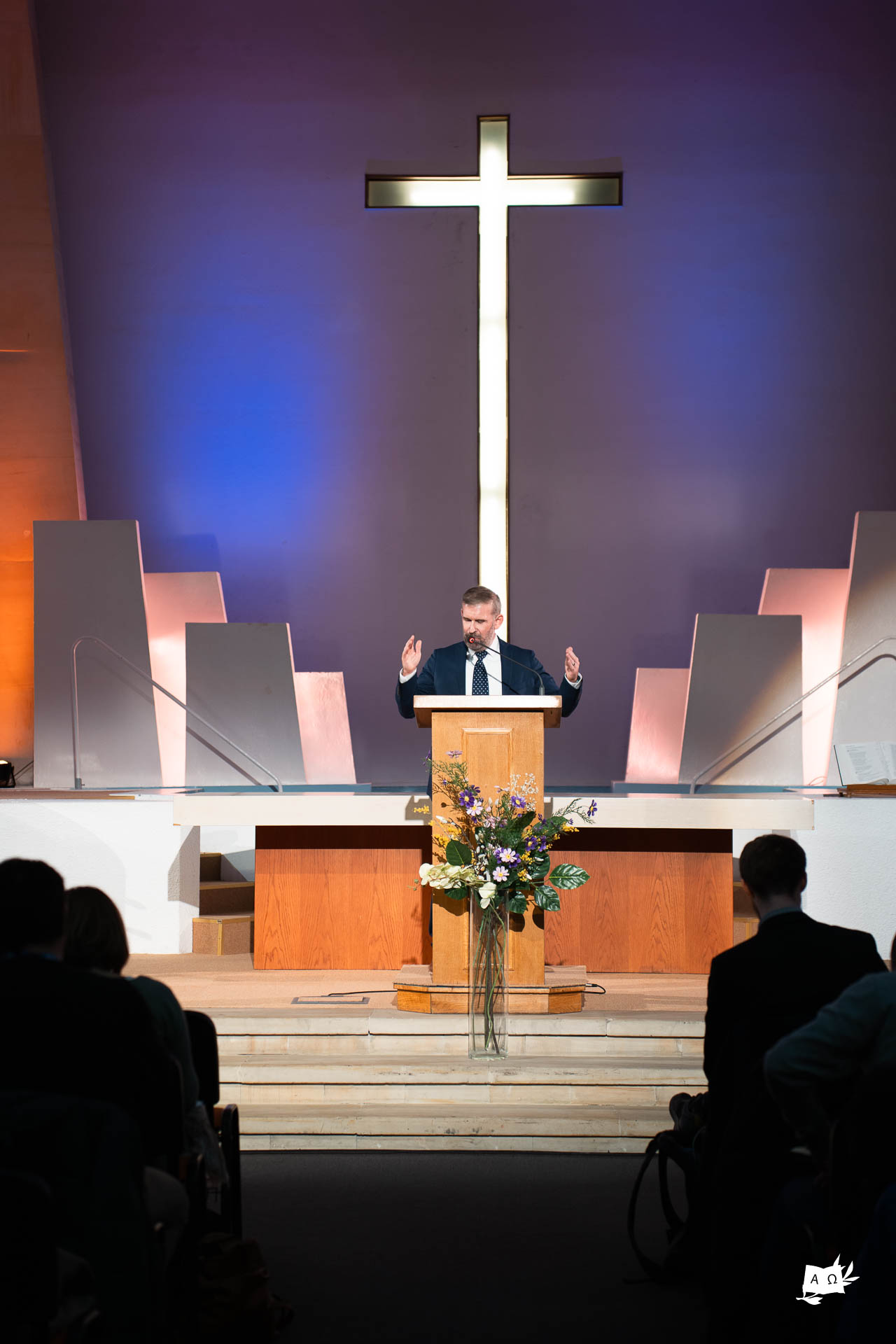
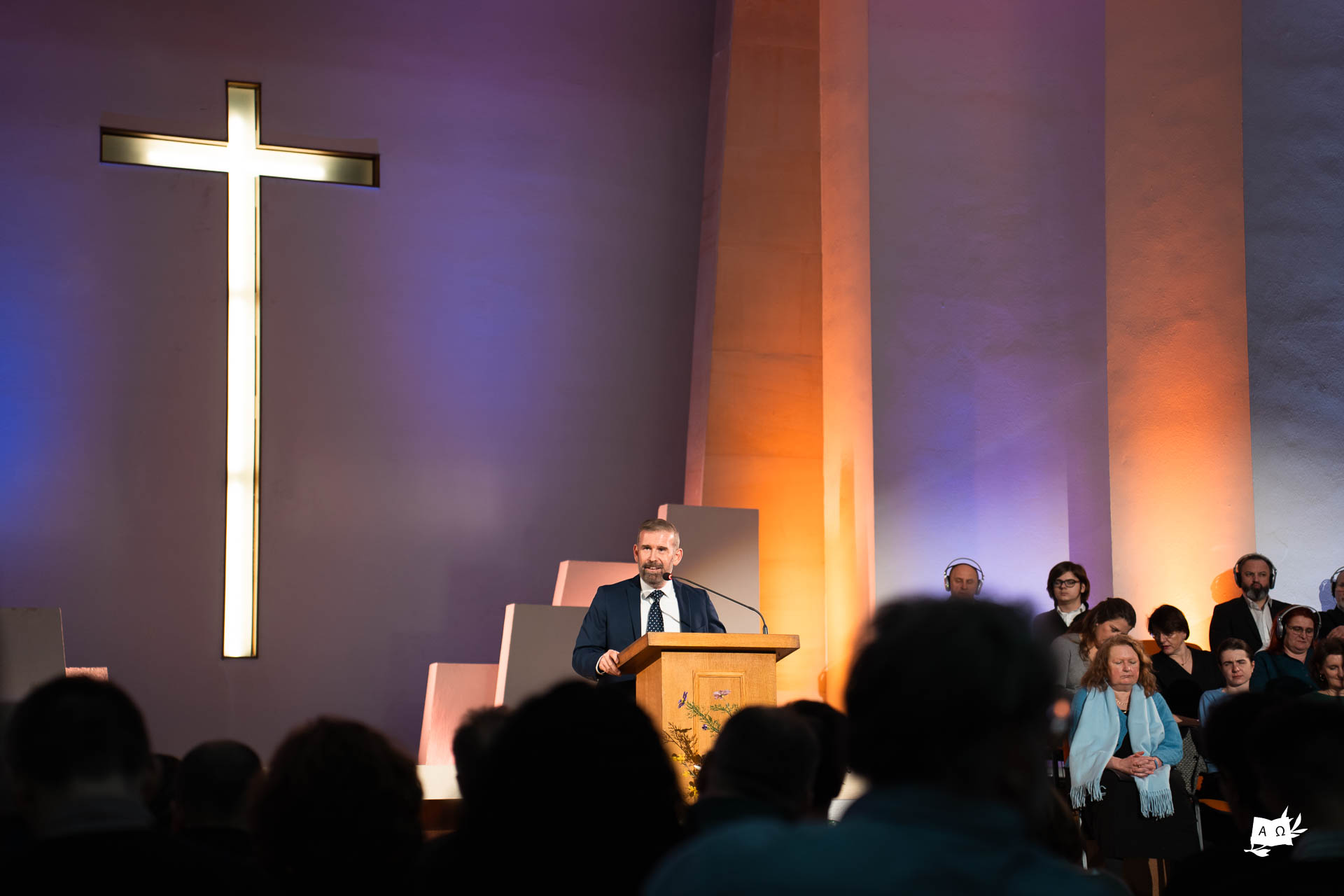
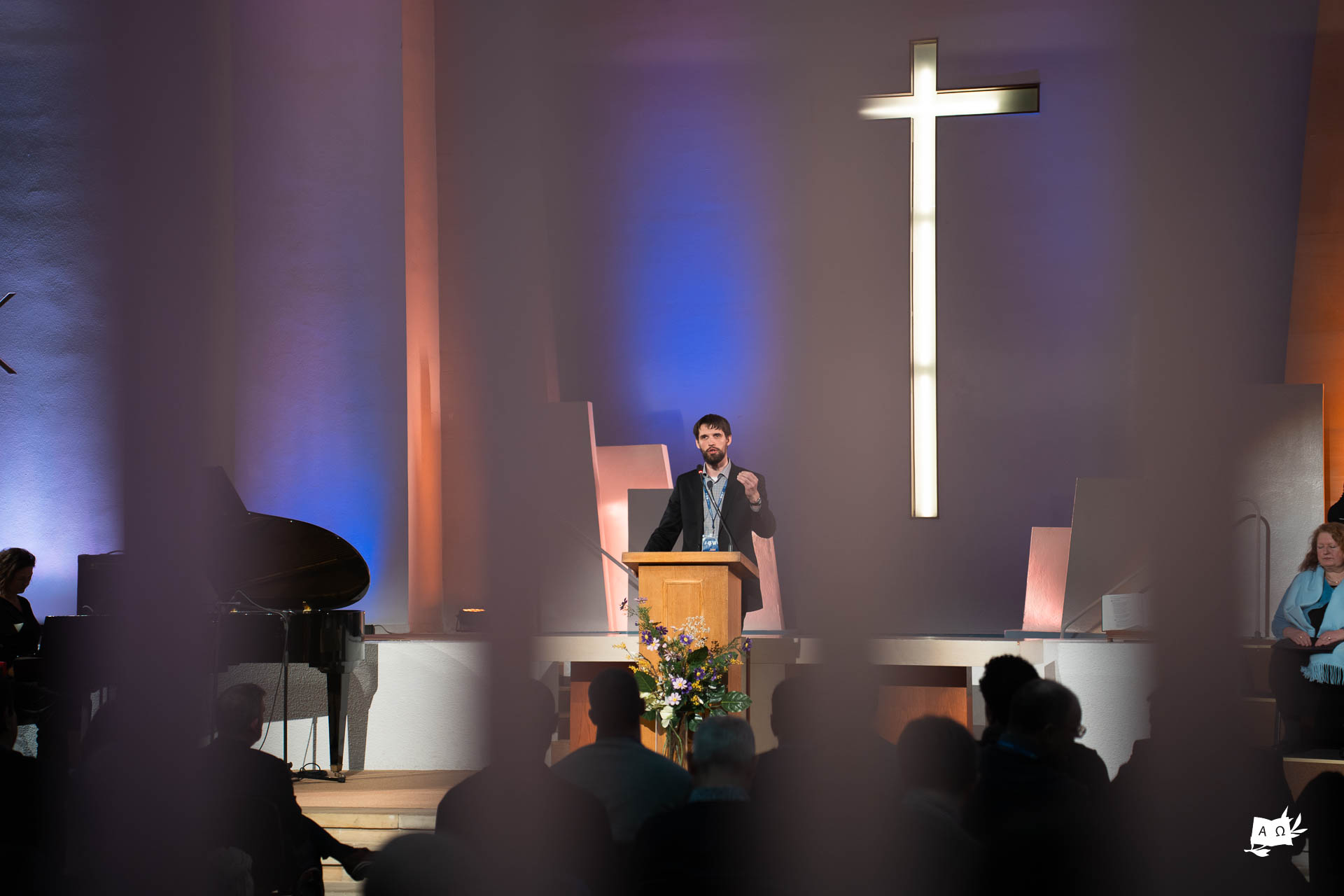
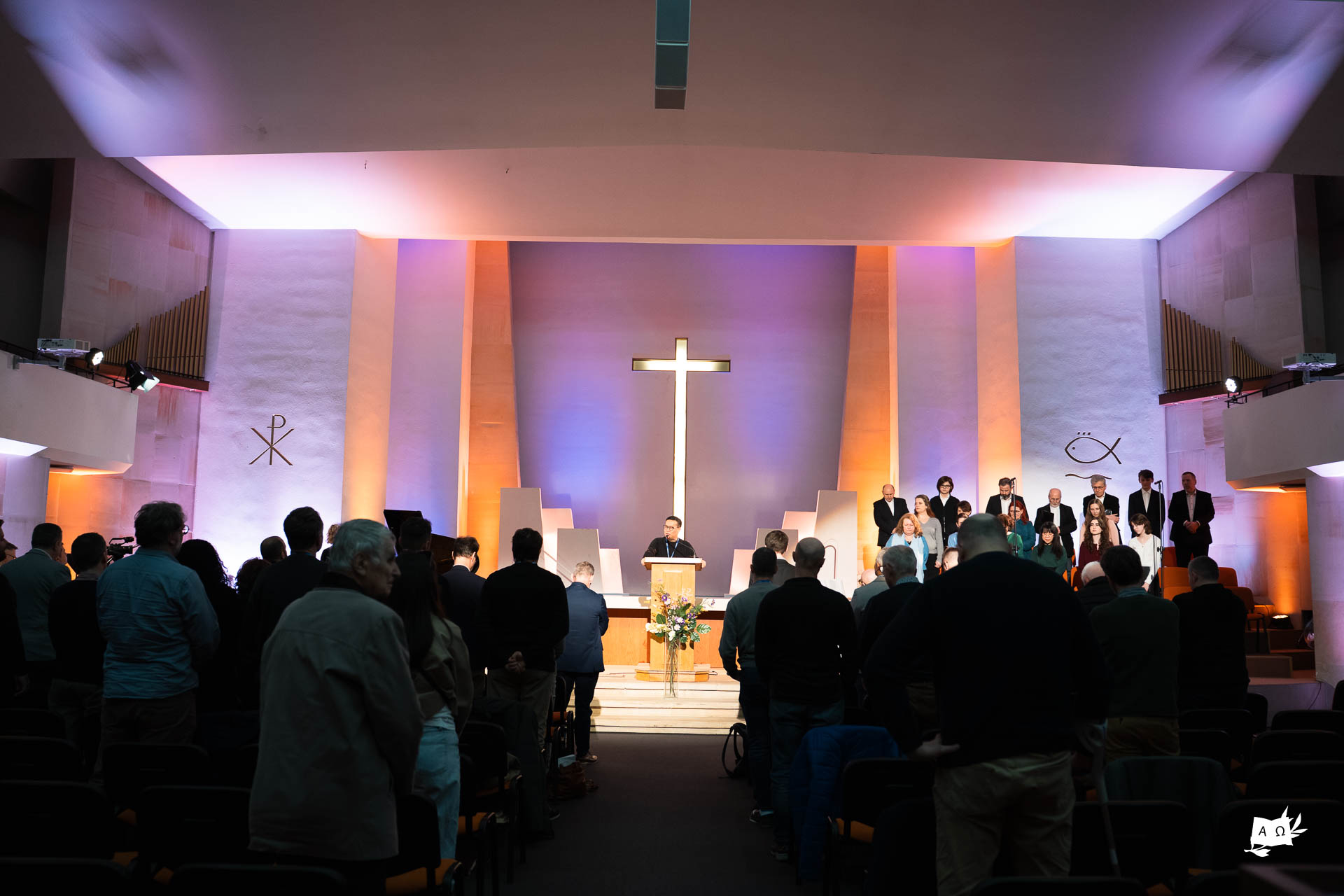
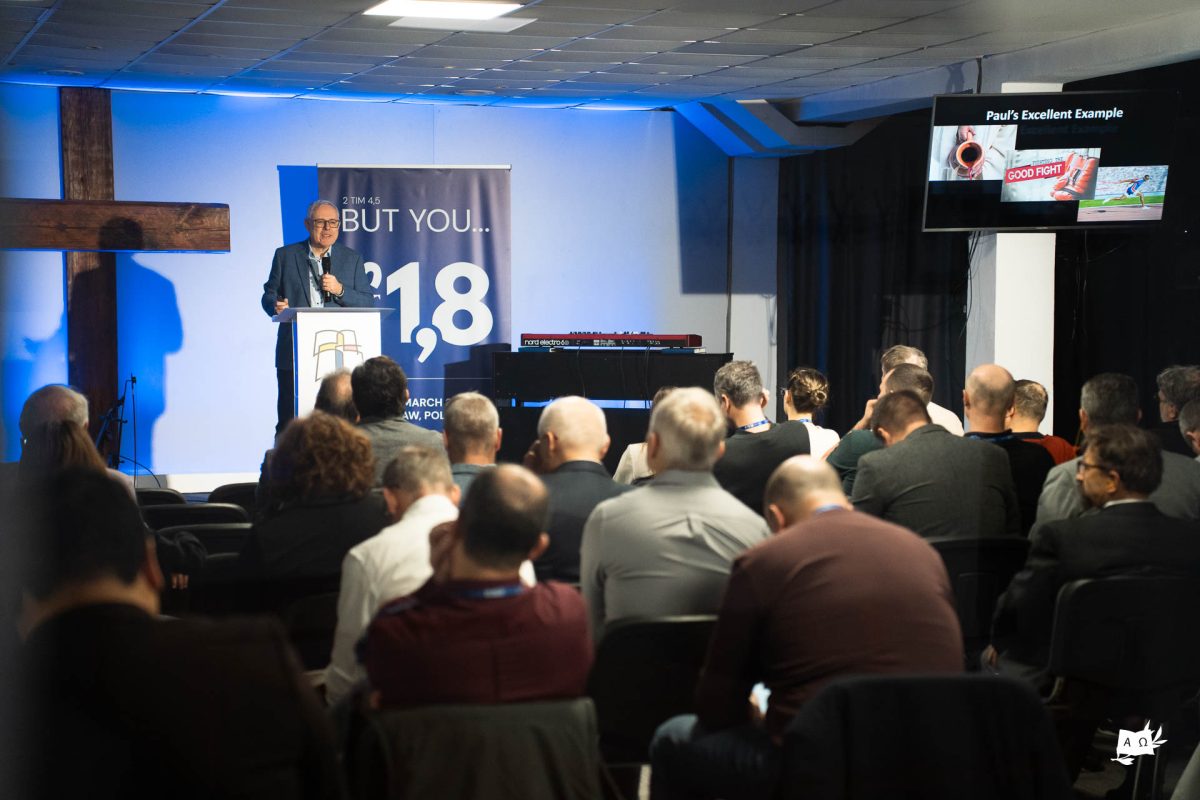
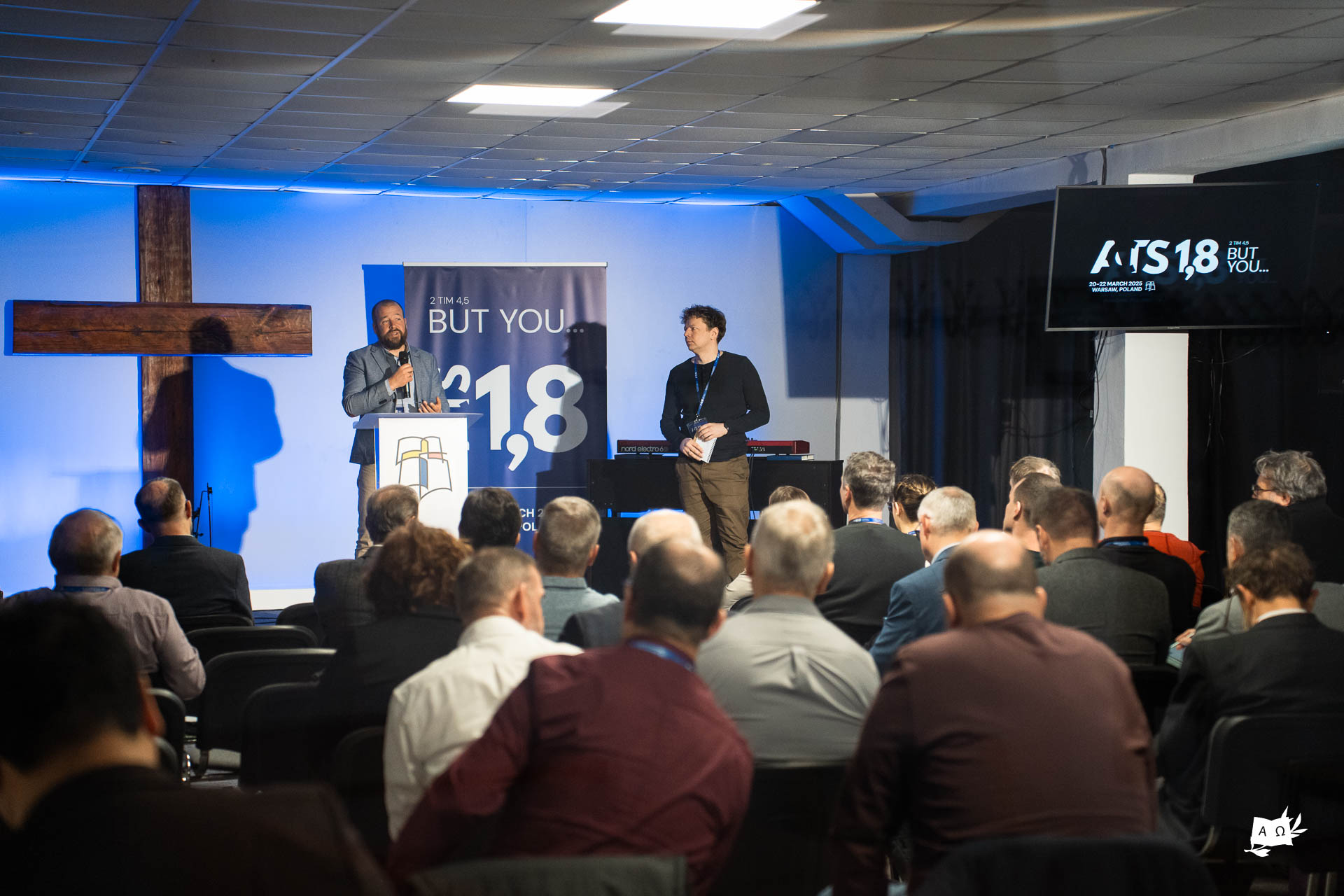
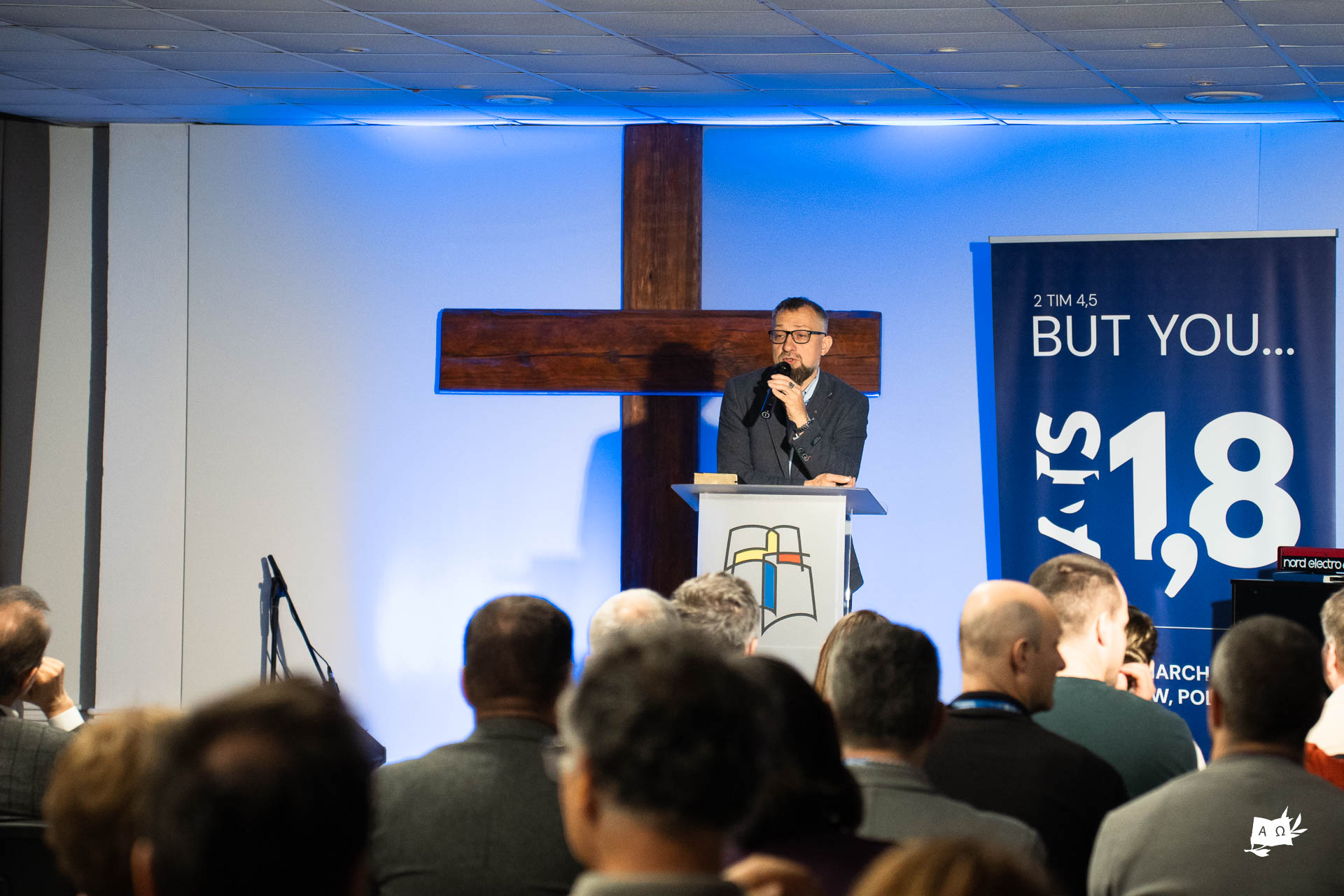
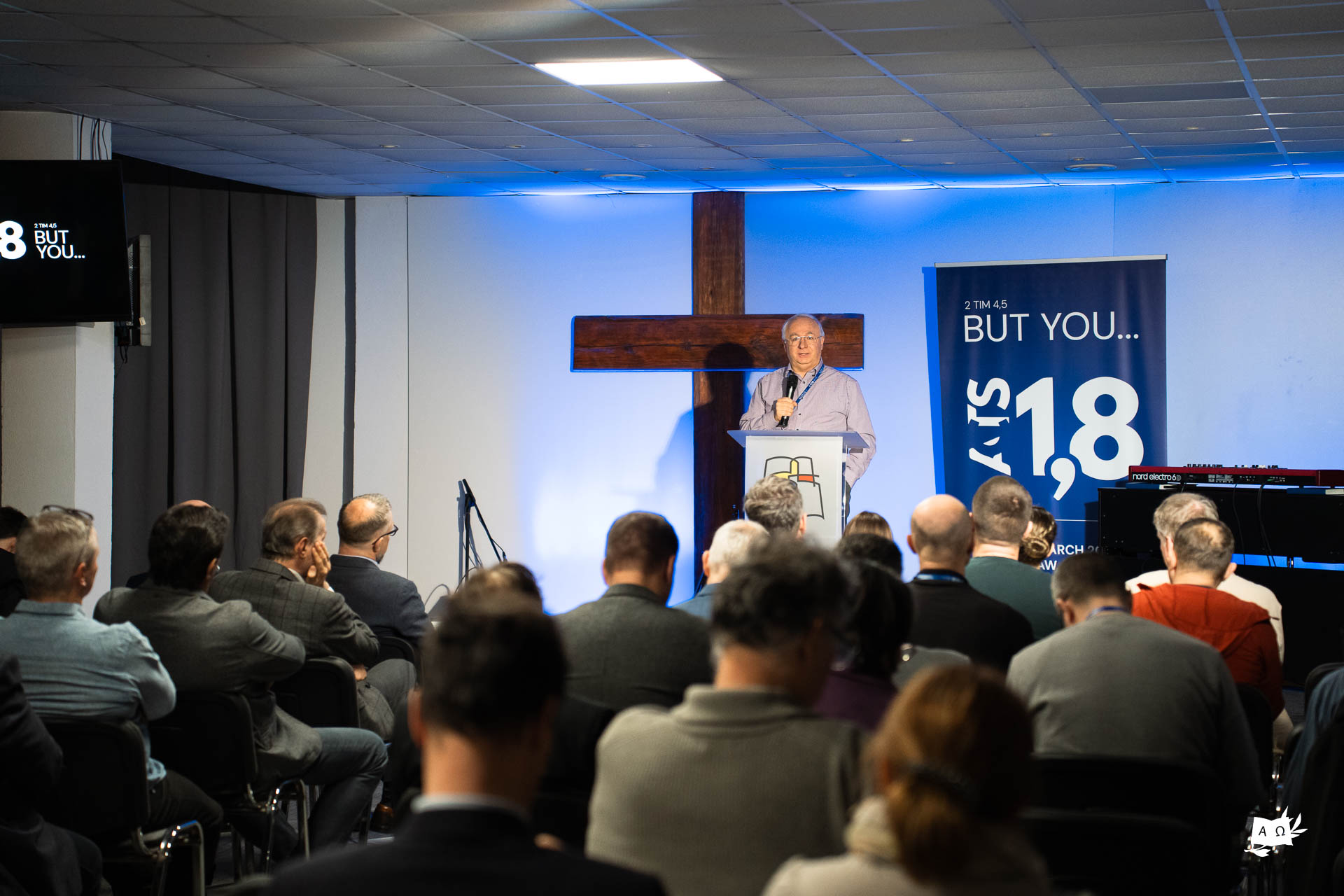
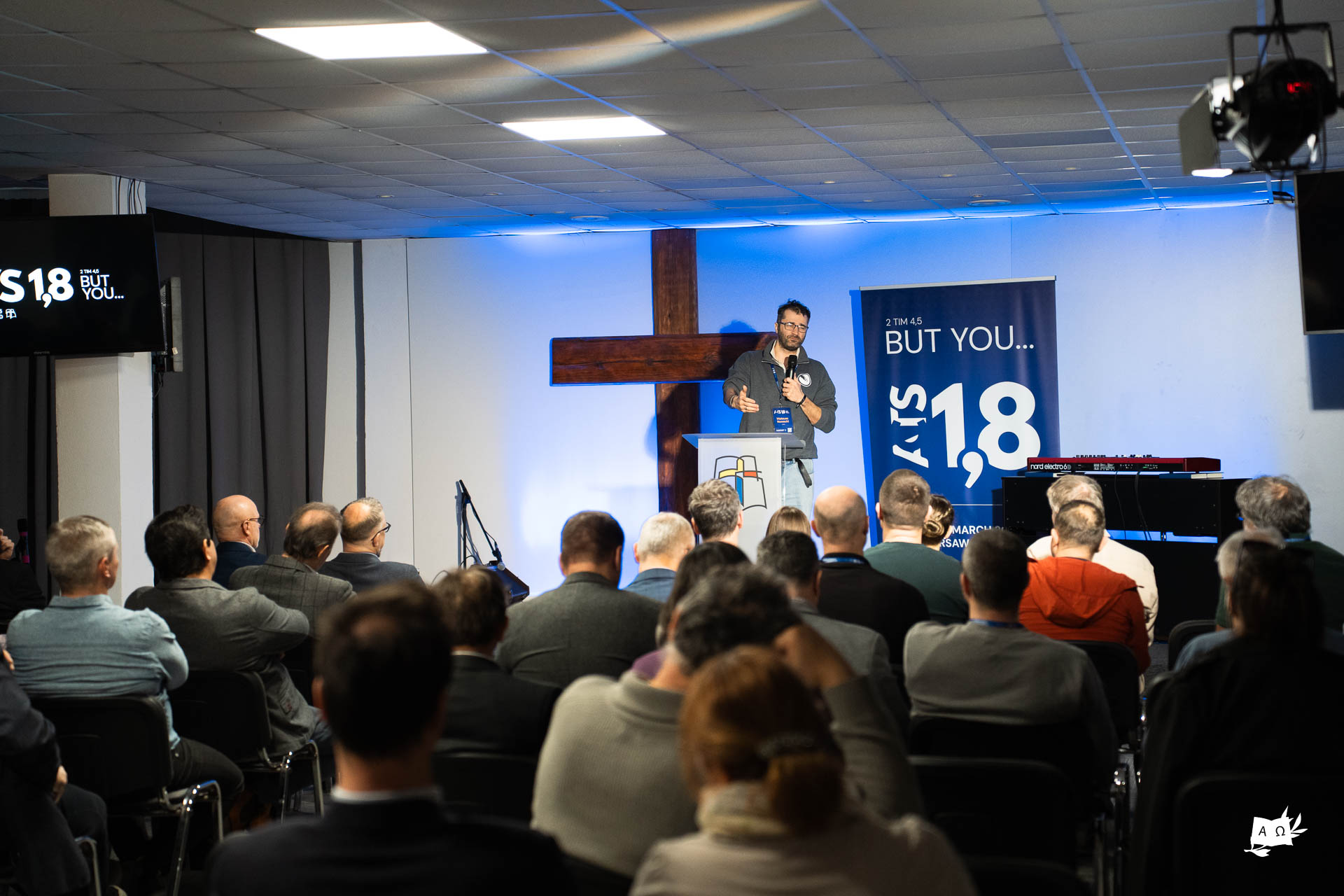
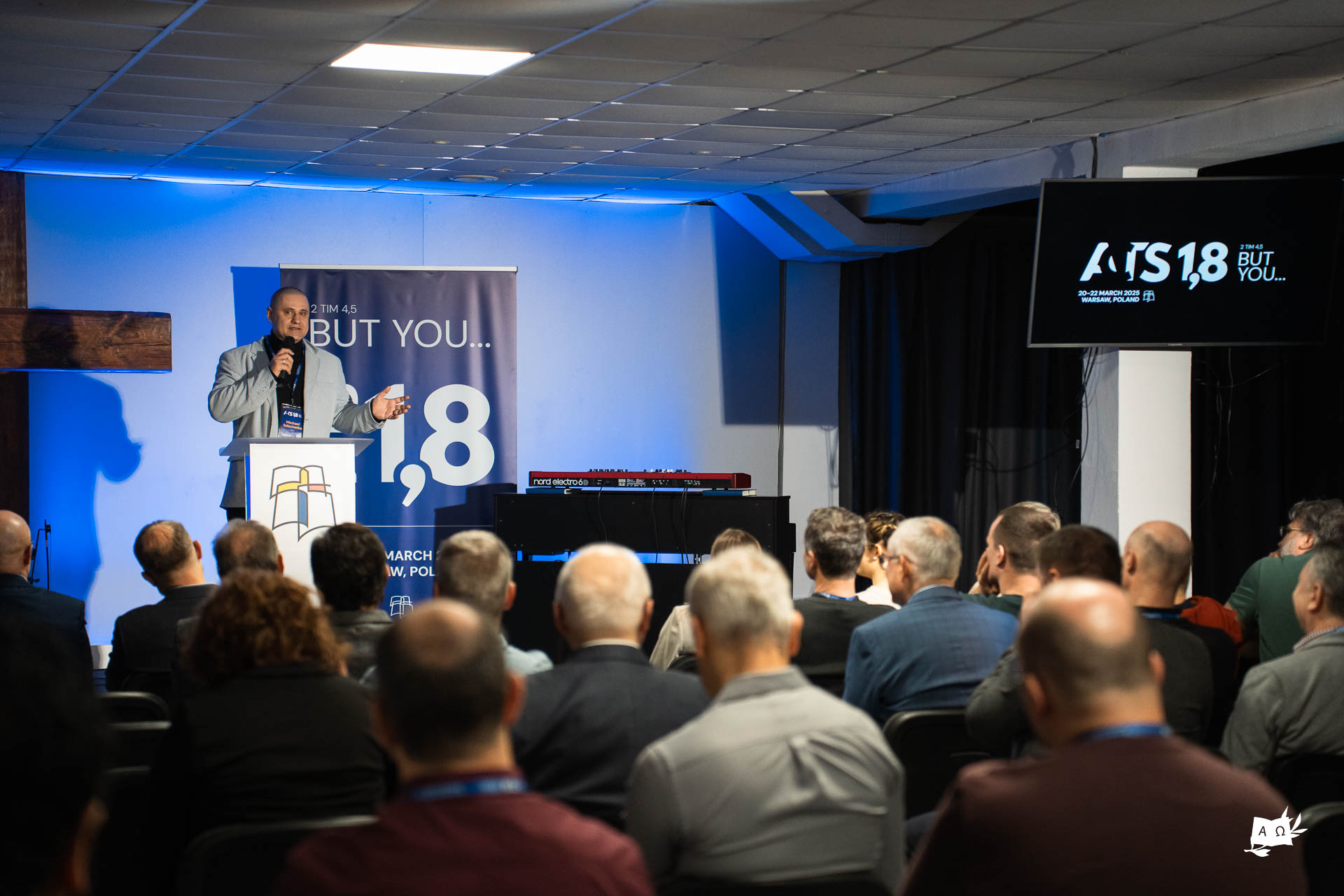
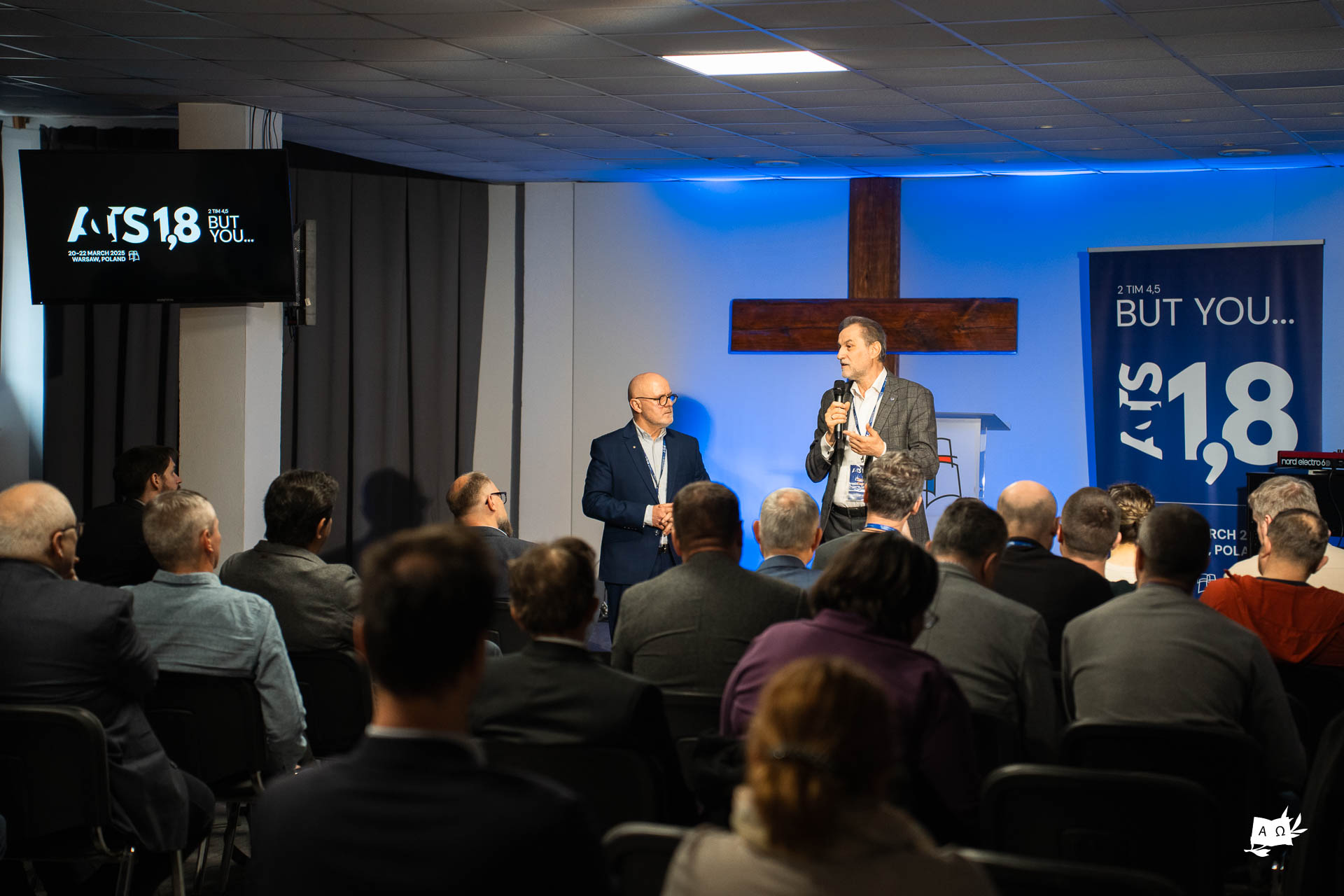
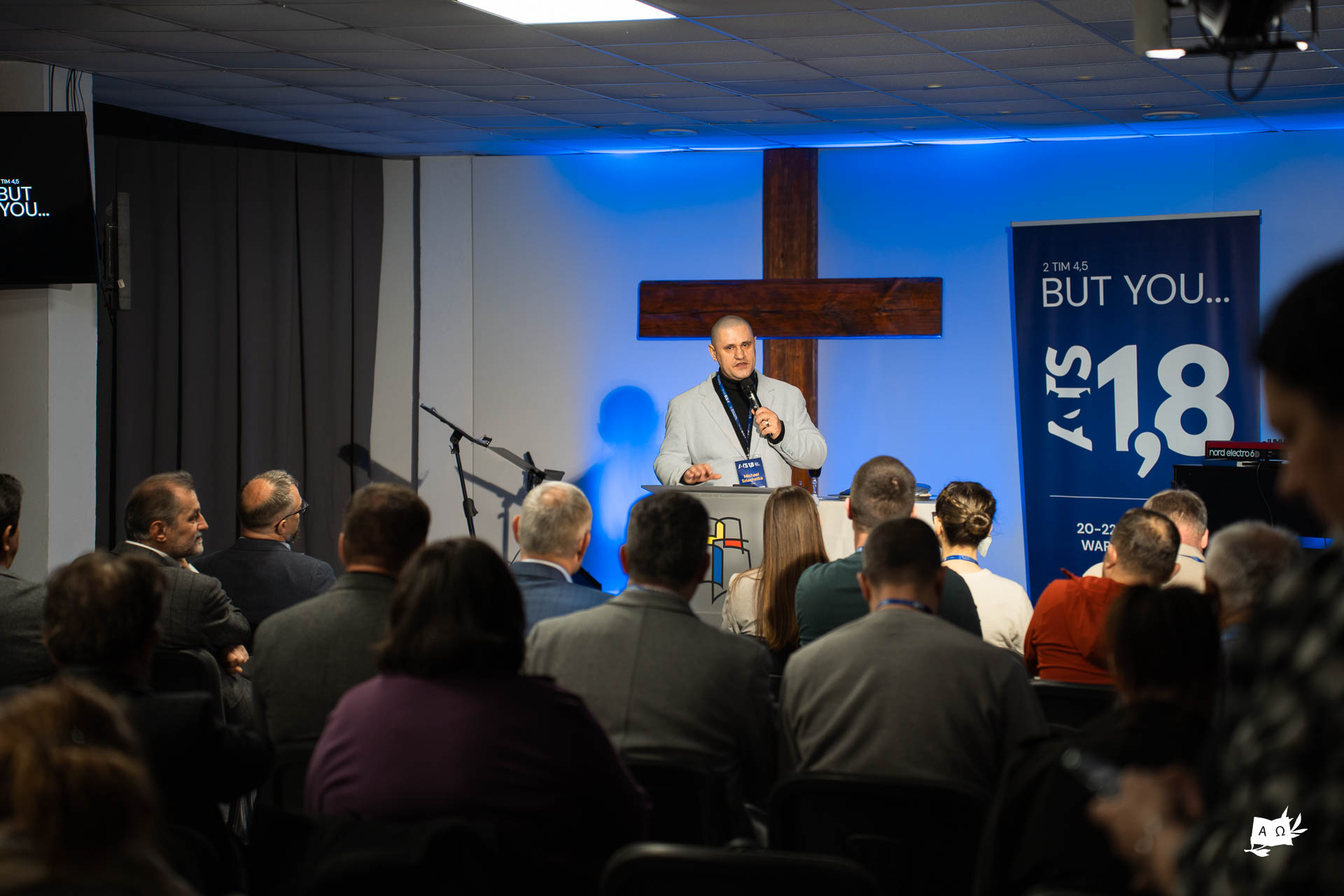
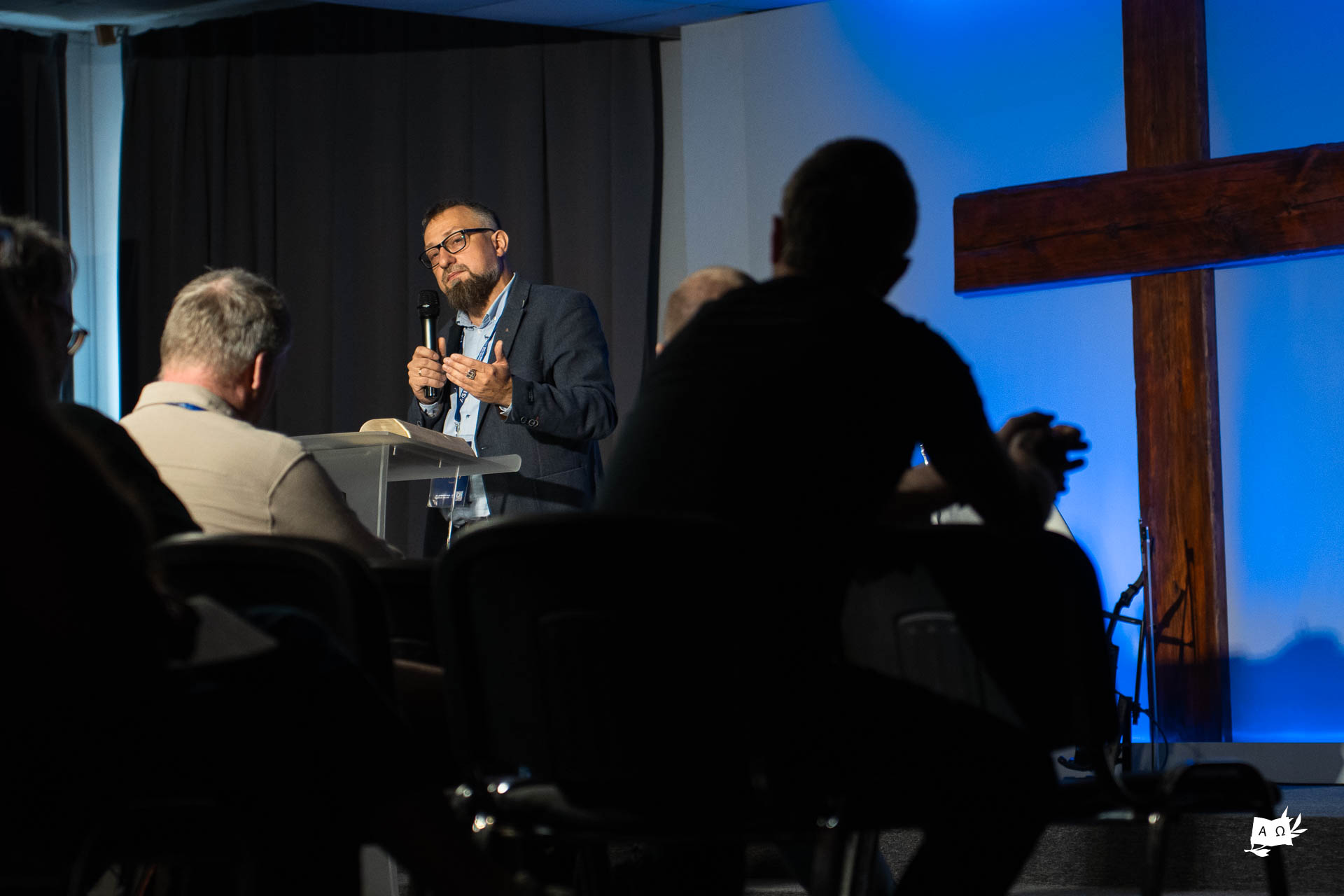
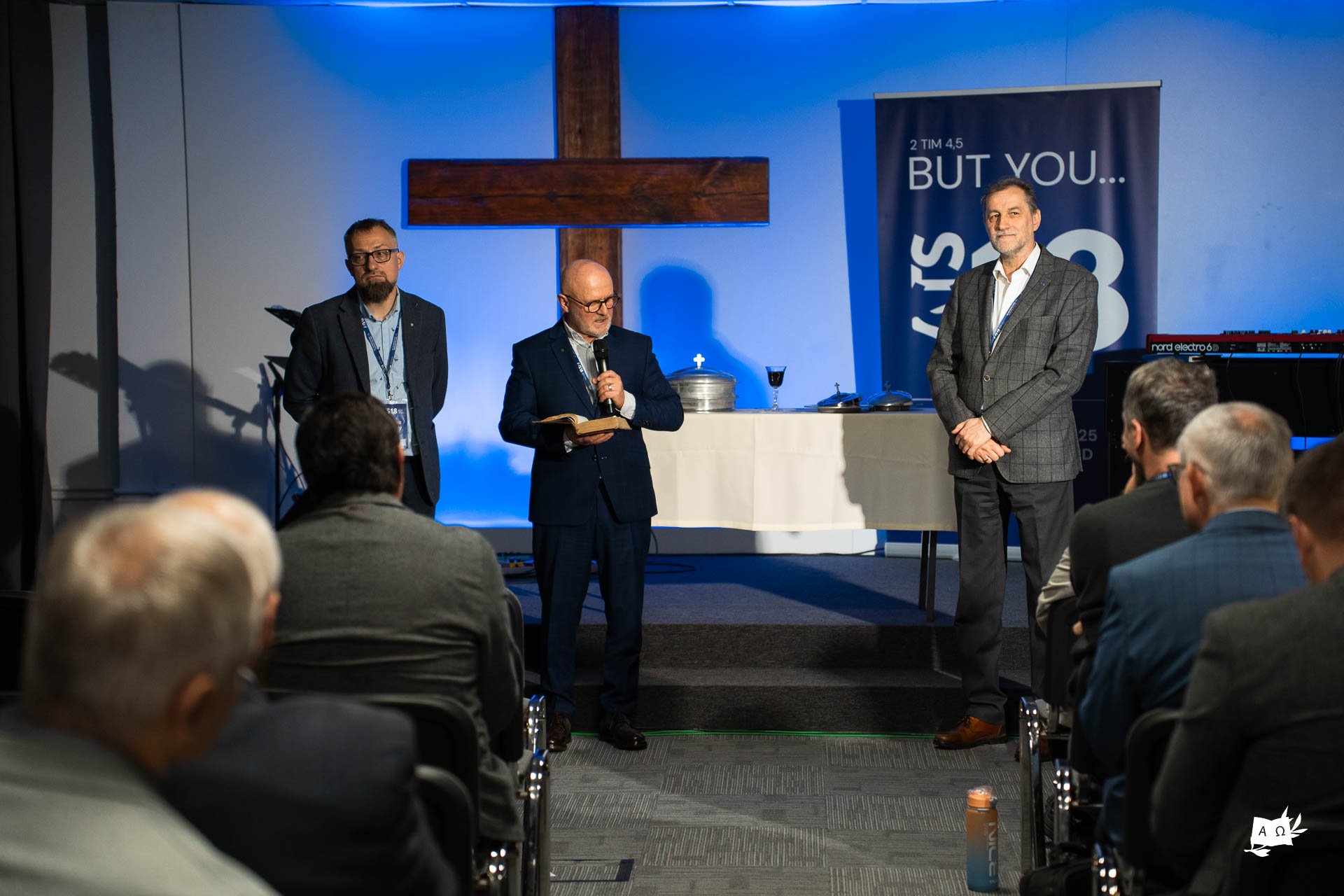
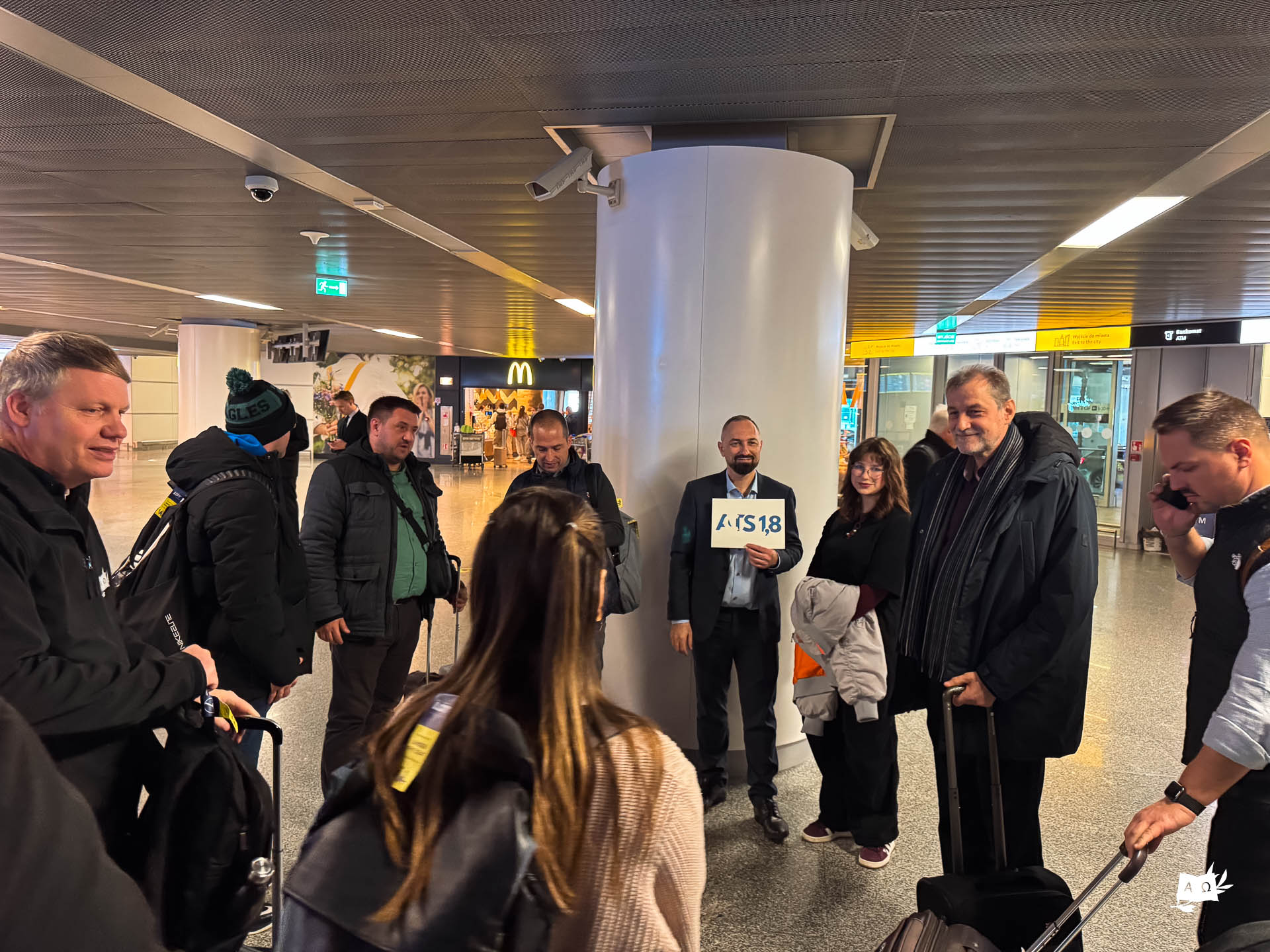
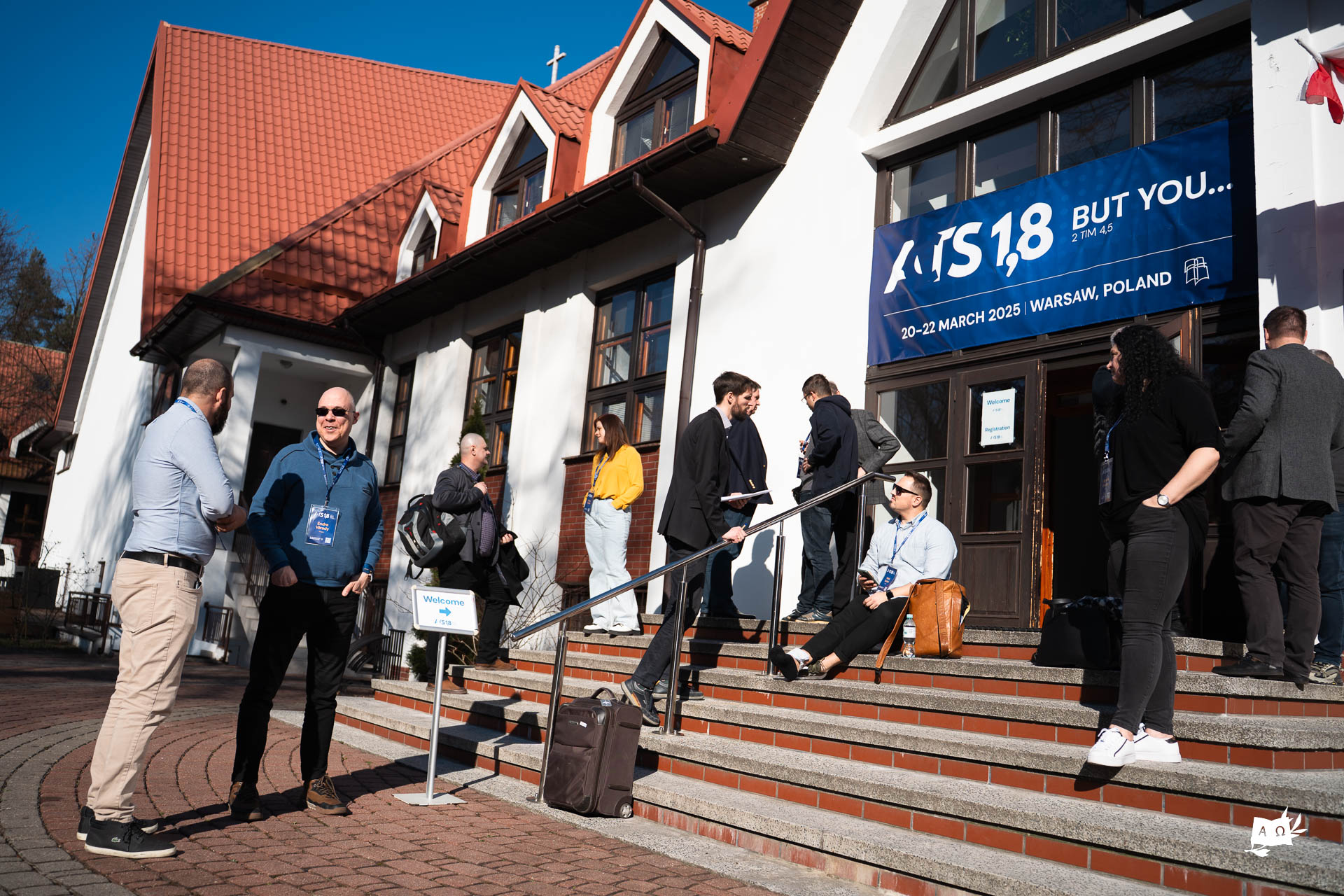
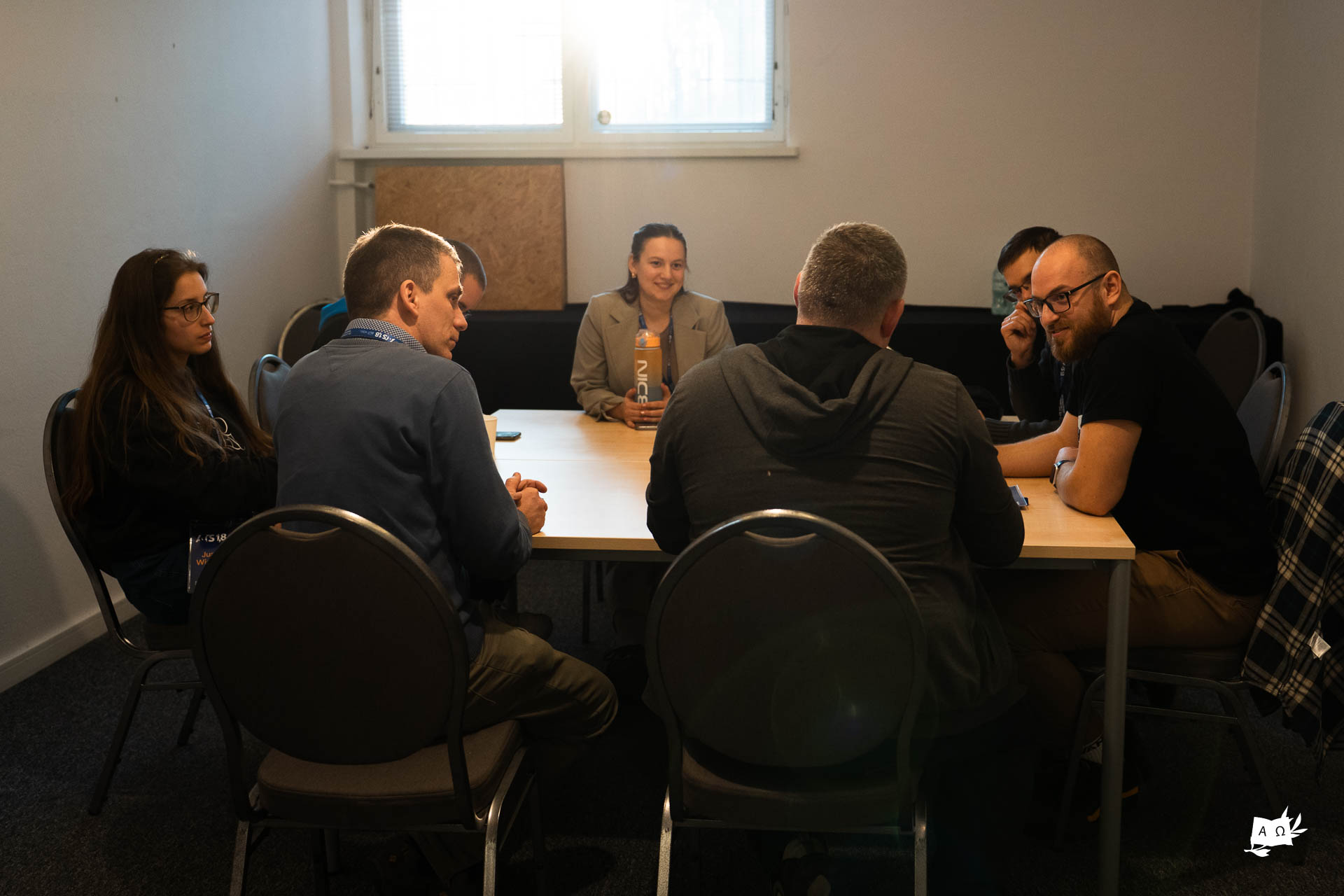
The Acts 1:8 Conference was held in Warsaw between the 20th and 22th of March in 2025. The Conference was founded ten years ago for uniting the East-Central European ministries. The three-day event was attended by the leaders of Baptist unions and the associates of different fields of ministry from various countries. Day by day, the presenters focused on God’s message regarding the mission and its faithful service based on the second letter written to Timothy. Beside the keynote presentations, the leaders and experts of certain fields — church leadership, church planting, social and humanitarian aid, education of Theology, youth ministry, communication — shared their experiences and sought those common areas where they could work together and represent the Good News, the message of God more powerfully.
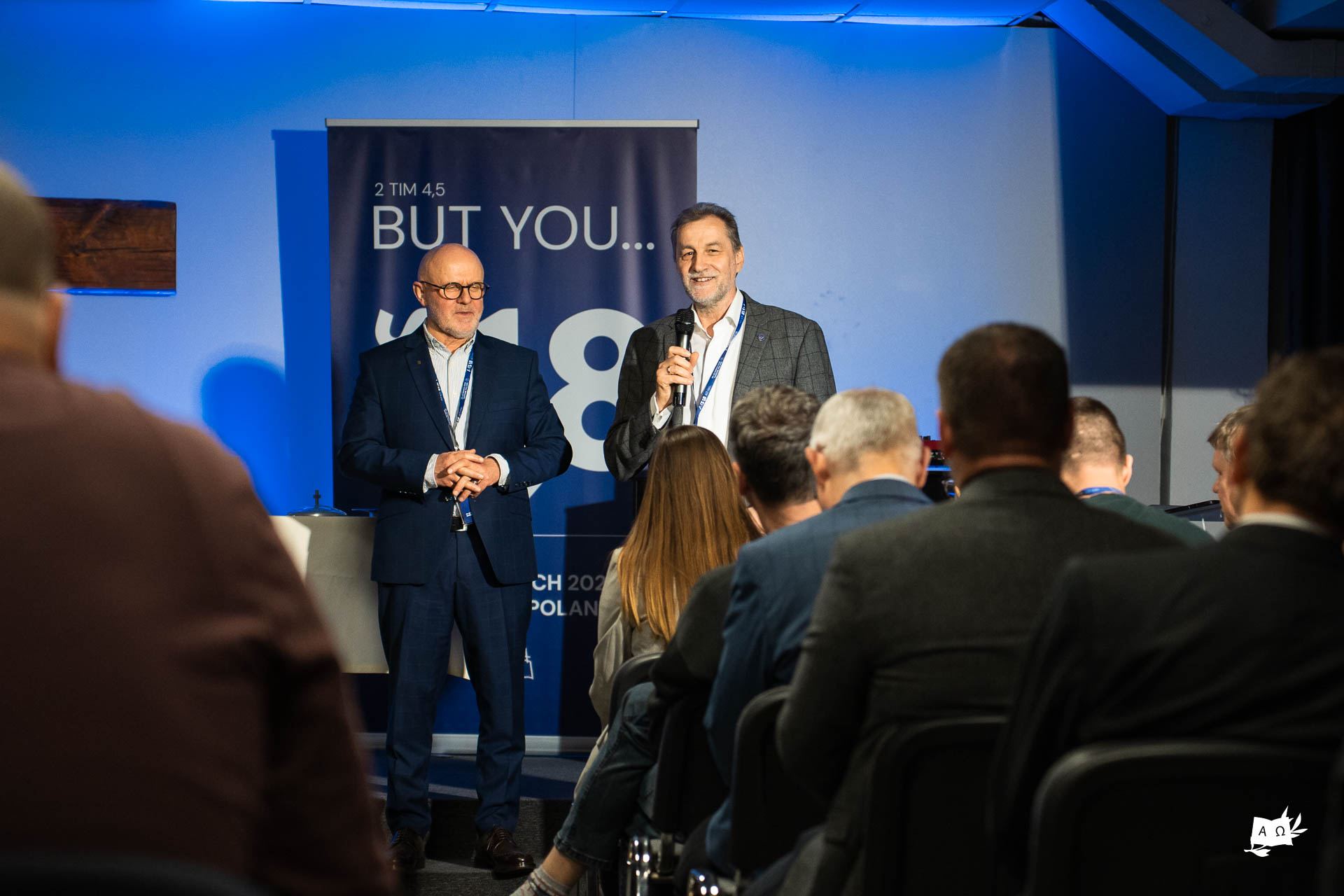
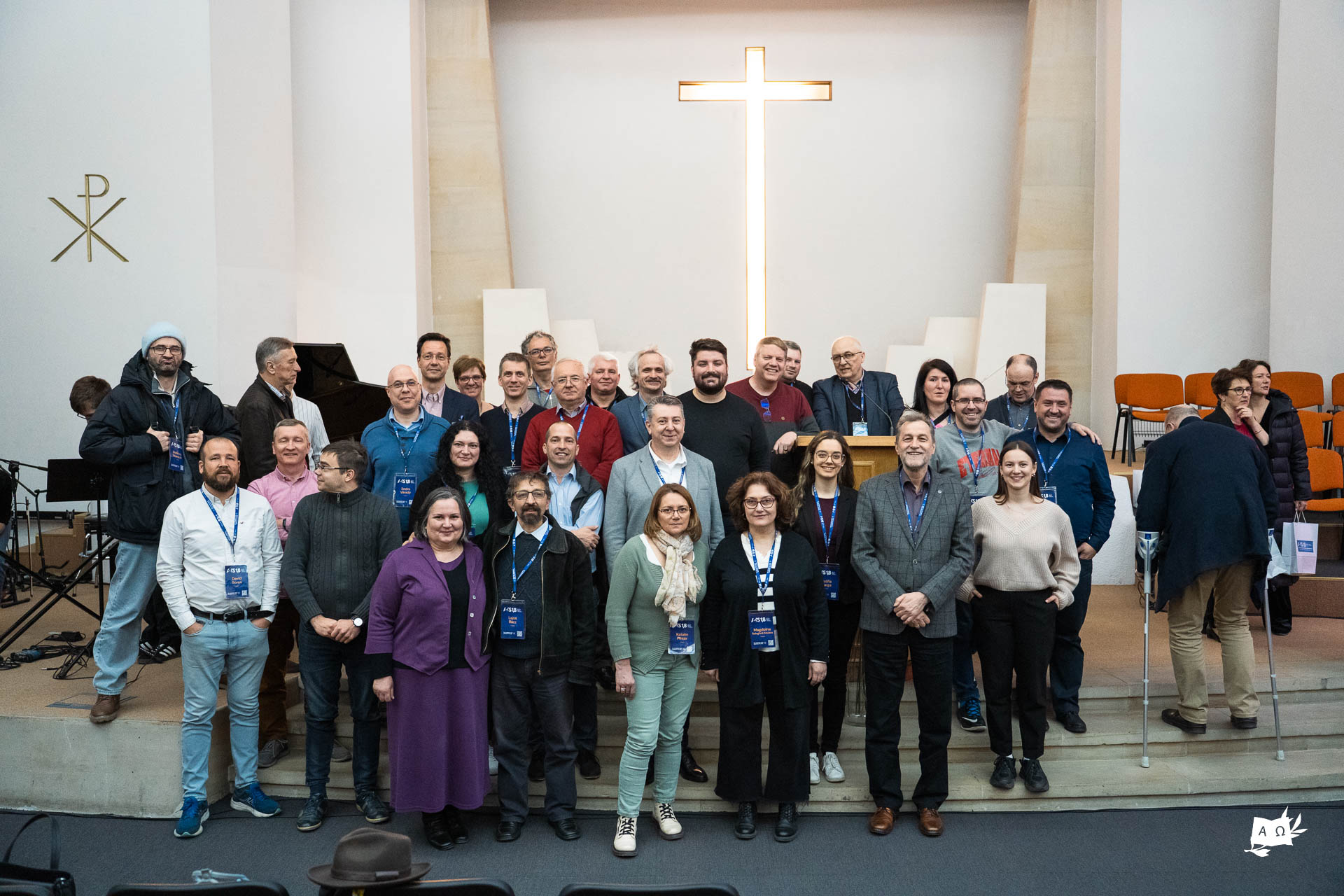
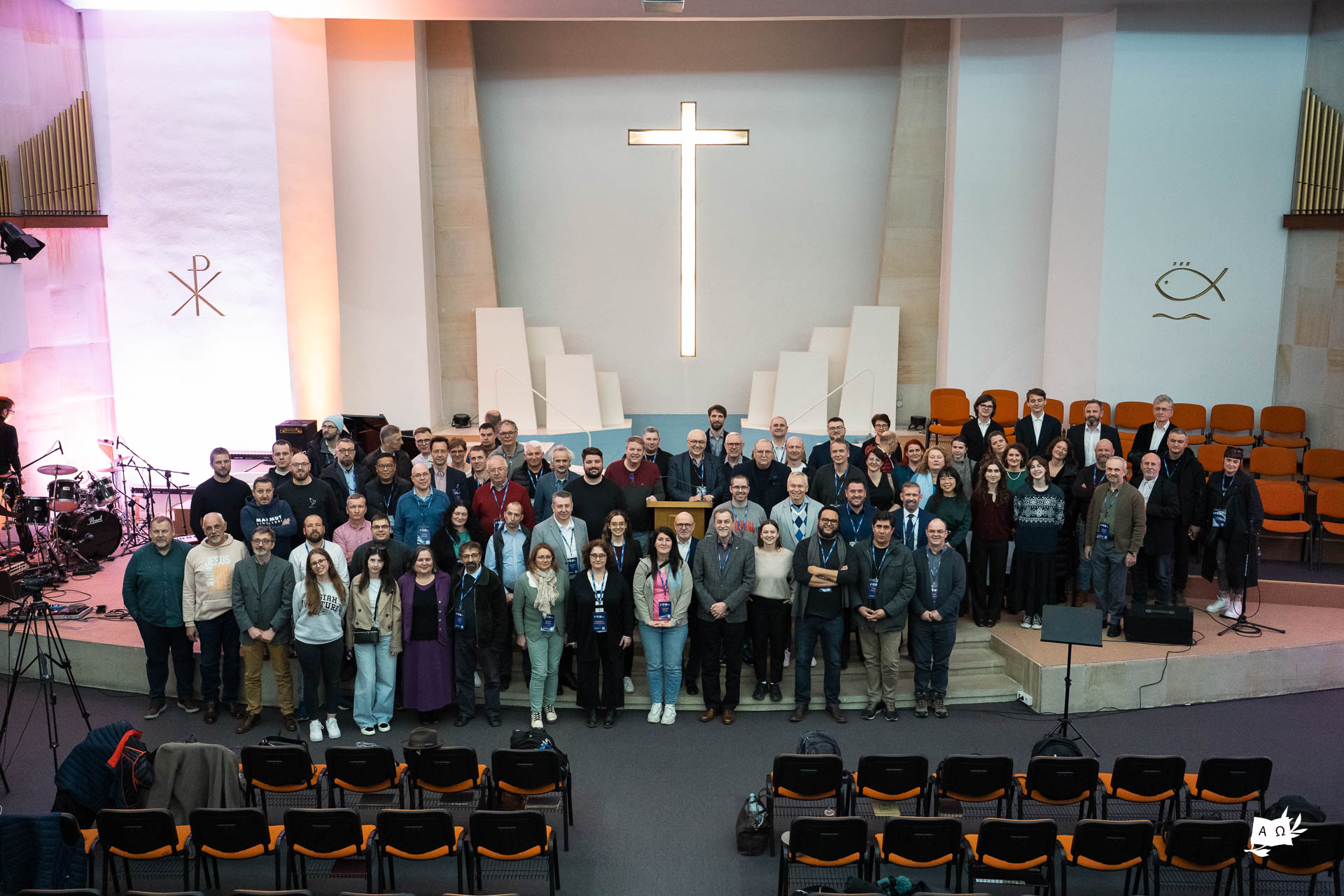
The Conference was opened by Marek Glodek, the President of the Baptist Union of Poland. Almost 70 people attended the event from various backgrounds. The core of the attendees consisted of East-Central Europeans (from Poland, Hungary, the Czech Republic, Slovakia, Romania, Transylvania, Ukraine, Croatia and Albania), but guests who are somehow in connection with the ministry in Eastern Europe arrived from the USA, Estonia, Spain, India, Austria as well. In his welcome address, Mateusz Wichary, the President of the European Baptist Federation (EBF), told the participants that it was a few years ago that the idea of the Conference conceived in János Papp’s (Baptist Union of Hungary) and his mind. The two countries — Poland and Hungary — are not only connected through their shared history (”Pole and Hungarian: two good friends” — as the old saying goes), but also by really strong spiritual ties. The two nations are on the same page in many cases and the Conference — that has been organized for the fourth time — provided further proof that it is worth it to work together and to involve Baptist brothers and sisters from neighboring countries.
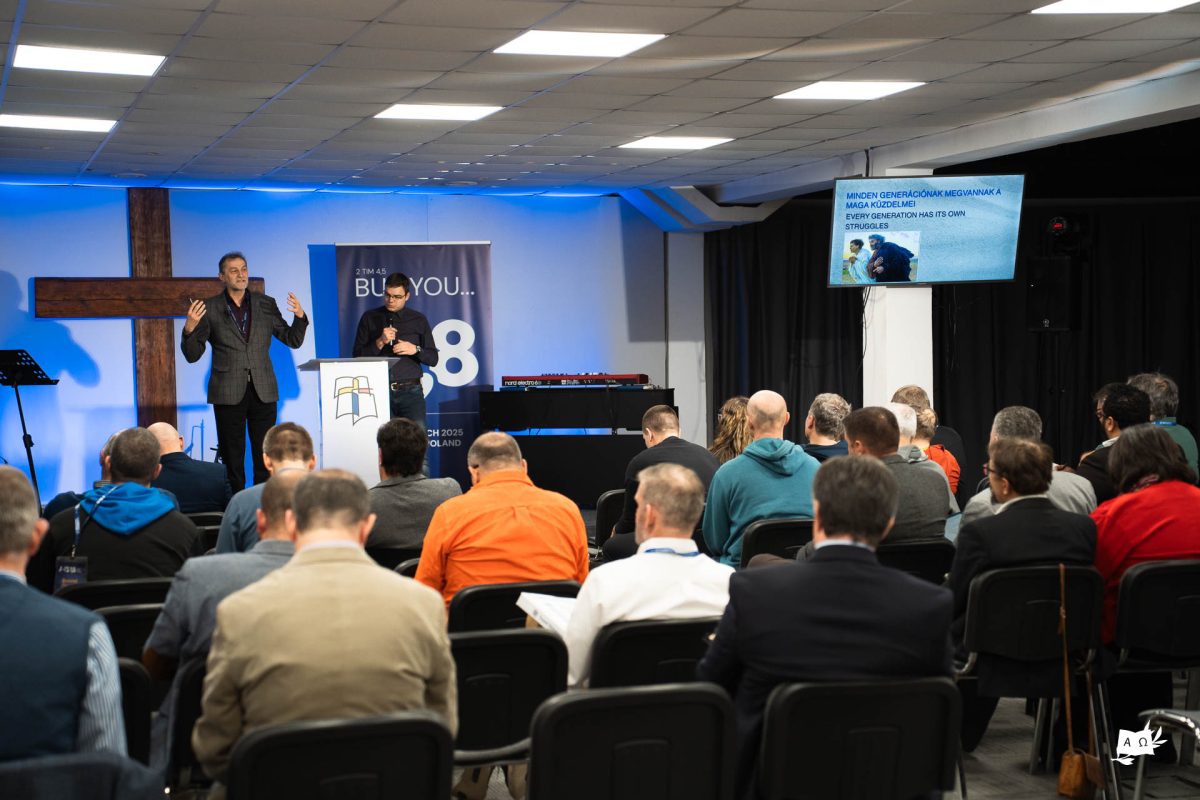
In his opening address, János Papp, the President of the Baptist Union of Hungary, recalled the letters of Paul written to Timothy emphasizing the struggle that accompanies each and every Christian generation. Lacing 2 Timothy 1:8-14 and 1 Timothy 1 together, he put a clear compass in front of us: holding on to the Gospel is not simply a matter of choice, but a mission in all circumstances and all ages.
When he was serving in Ephesus, Paul faced numerous adversities: turmoil, opposition, false teachings. This struggle accompanies us throughout our history: our parents battled Communism, we are fighting against Liberalism and Secularism, and our children will combat against somethign yet unknown. Christian faith is not lying in peace, but constant vigilance and valor. While the whole world screams that all truths are relative, the people of God are called to speak eternal truths out. These truths are alive and relevant today as healthy teachings. It lays in the responsibility of individual churches not to let us drift over to the path of ignoble compromises.
The powerful phenomena of our days, such as gender issues, are tearing churches and communities apart. We shouldn’t be afraid to stand up for evangelical values — boldly and with love. ”Don’t be ashamed of the testimony! Don’t be ashamed of Christ!” — he quoted Paul. This biblical encouragement prevails today and is more relevant for the churches of East-Central Europe than ever. In our churches, it is important to stand up together, to strengthen each other, and to seek theological and practical answers that will guide us through the challenges of the future. We need a network for dedicated leaders and theological workshops faithful to the Bible to join forces in answering current questions and equipping the next generation. Though fight is inevitable, it can be a good fight, in case we are fighting for the divine truth.
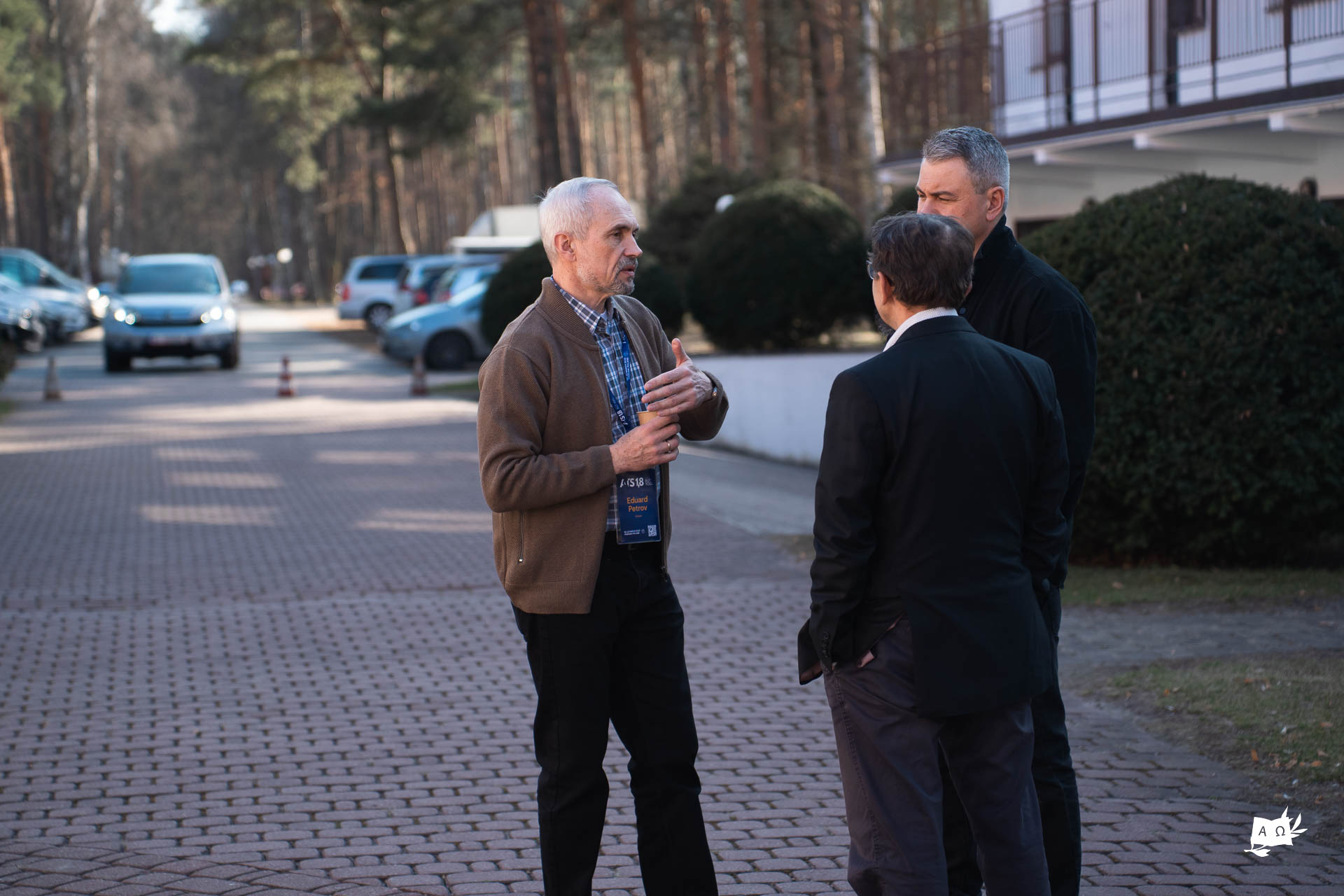
One of the hosts of the session on Thursday evening was Dr Béla Szilágyi, the President of Hungarian Baptist Aid. We witnessed a touching moment on this evening when the Ukrainian leaders (Roman Vecherkivskiy and Eduard Petrov) reported on the work they are carrying out in their war-torn country. Despite all pain and devastation, they claim that the Lord is good. According to them, this is a time of spiritual awakening in Ukraine, new churches are founded, thousands convert and get baptized, and there are more than 100 new communities among the Ukrainian diaspora spread abroad. God is the true victor of this conflict. They are very grateful for all the support they are receiving and they urge us to pray for them and for stricken families, for afflicted people, for encouragement. Many churches had to close down, but there is a huge number of new converts, hence there is a need for pastors, leaders. We should pray that the Lord should send them servants and peace as soon as possible…
In the second plenary session, Paul Negrut, the Rector of the Emanuel University of Oradea, highlighted the fact that today, we are fighting for biblical doctrines. The main passage he based his message on was 2 Timothy 2:1–13. This is a spiritual and cultural struggle, not against flesh and blood, but against forces of evil. No one can avoid spiritual struggle, but how are we responding to the challenges of this cultural combat? The one who wins the spiritual battle changes culture. Be strong, be righteous, be persistent! Jesus never gave up — we shouldn’t either. Be persistent as Jesus, Paul, Timothy and millions of believers have been.
We started Friday morning with the presentation of Benjamin Uhrin, the President of the Baptist Union of Slovakia, based on 2 Timothy 2:14–16 about what is truly important. What is the meaning of truth? It is beneficial to listen to the preceding generation, but we are the ones who have to seek and fight for the truth and grasp the answers that are ours. What does it mean to be missionary? What is the role of women in ministry? How to deal with those who are divorced? Shall we cooperate with Catholics and charismatic denominations, or even with other religions? If they don’t act upon, can homosexual people serve as elders? How should we treat the relationship between church leaders and leaders of a country? Can a believer go to a demonstration? Are we praying for those leaders whom we don’t like? Is the Lord coming back earlier? Did God use the evolution or how many days Creation really took? The questions are plenty and the struggle is real to find the appropriate answers on a daily basis. However, during our search for answers, our focus shouldn’t be on winning the argument, but on winning souls. We need to correct false teachings – let’s do it together!
During the morning session, Dr. Floyd Godfrey, a Christian clinical sexologist talked about the challenges of sexuality in the church. The American, who is a certified Christian counselor, talked about the global changes in sexuality and the mental and spiritual combat connected to them with stark frankness. Today, these changes and struggles have an impact on Eastern European churches as well. ”The strategy of Evil doesn’t only target individuals. It wants to change cultures,“ he said. According to Godfrey, this process consist of three steps: relativization of morals, normalizing sin, then oppressing truth. He also mentioned how pornography affects children, young people and church members. According to disturbing statistics, 94% percent of teens has already had an encounter with pornographic content by the age of 14, and addiction has a corruptive influence that can be traced in the brain. He also told that most often, it is emotional damage, trauma, depression or social exclusion that is the root of gender-related identity disorders. He emphasized that these are not merely ”questions” or ”choices”, but wounds to be healed.
”The Bible is true, and if we are approaching those who are struggling with love, patience and truth, the Gospel can bring forth real remedy,“ he claimed. Our congregations’ role is not to shame others, but to guide them lovingly towards faithfulness to biblical truth. He also offered three pieces of food for thought for pastors:
Hold on to the truth of the Bible.
Love without judging.
Be prepared to walk with those who are seeking help on the path of healing.
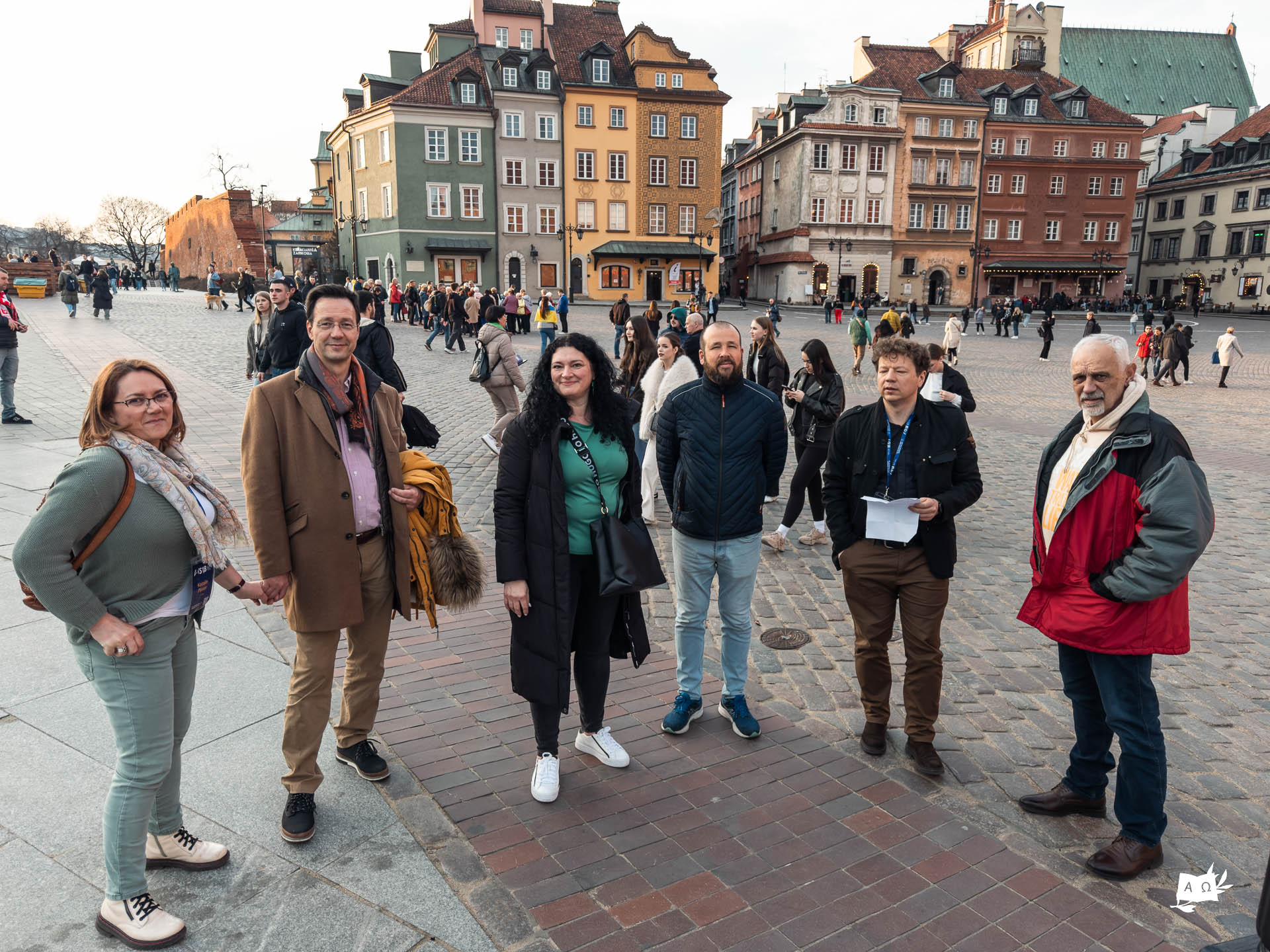
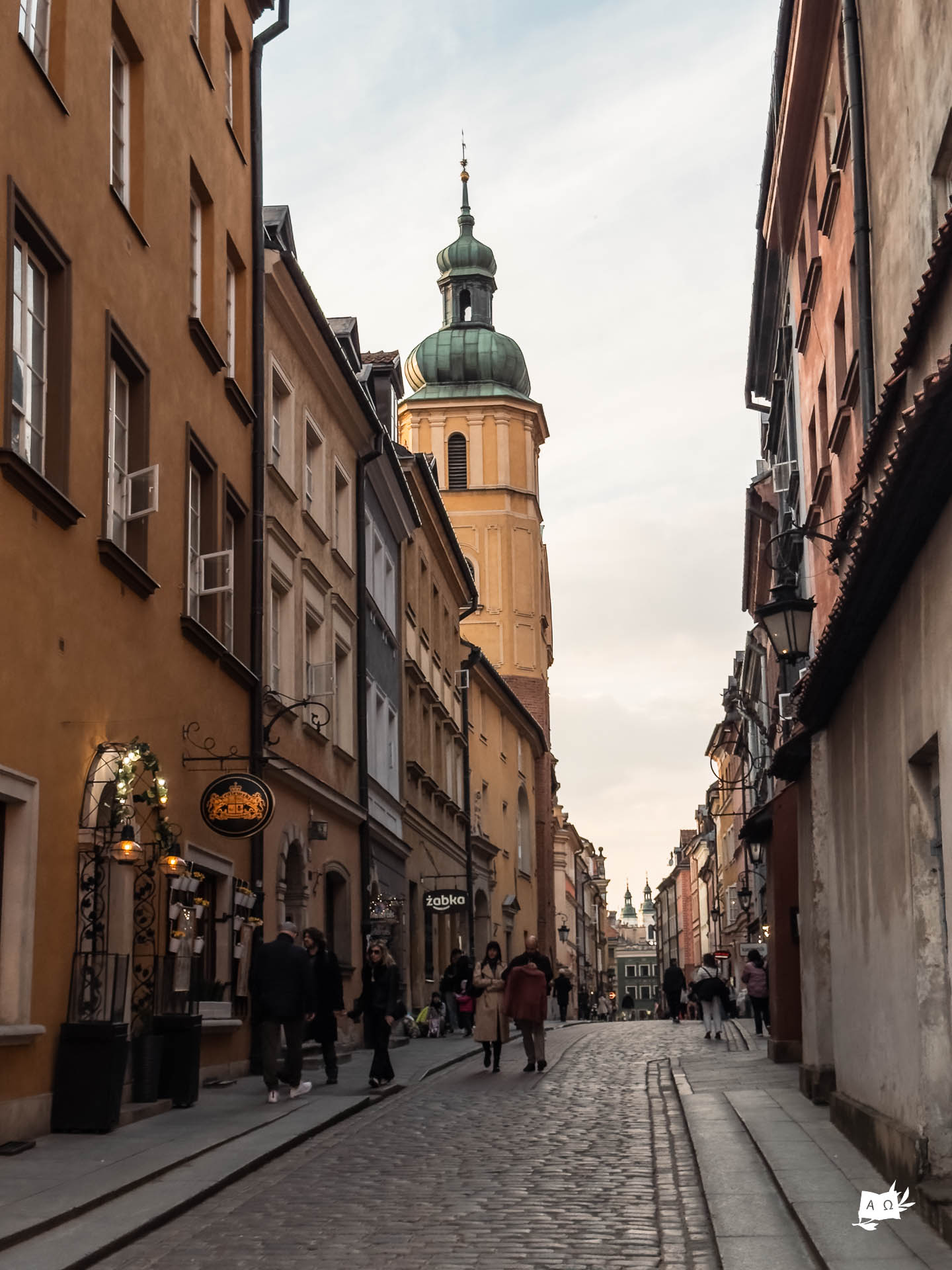
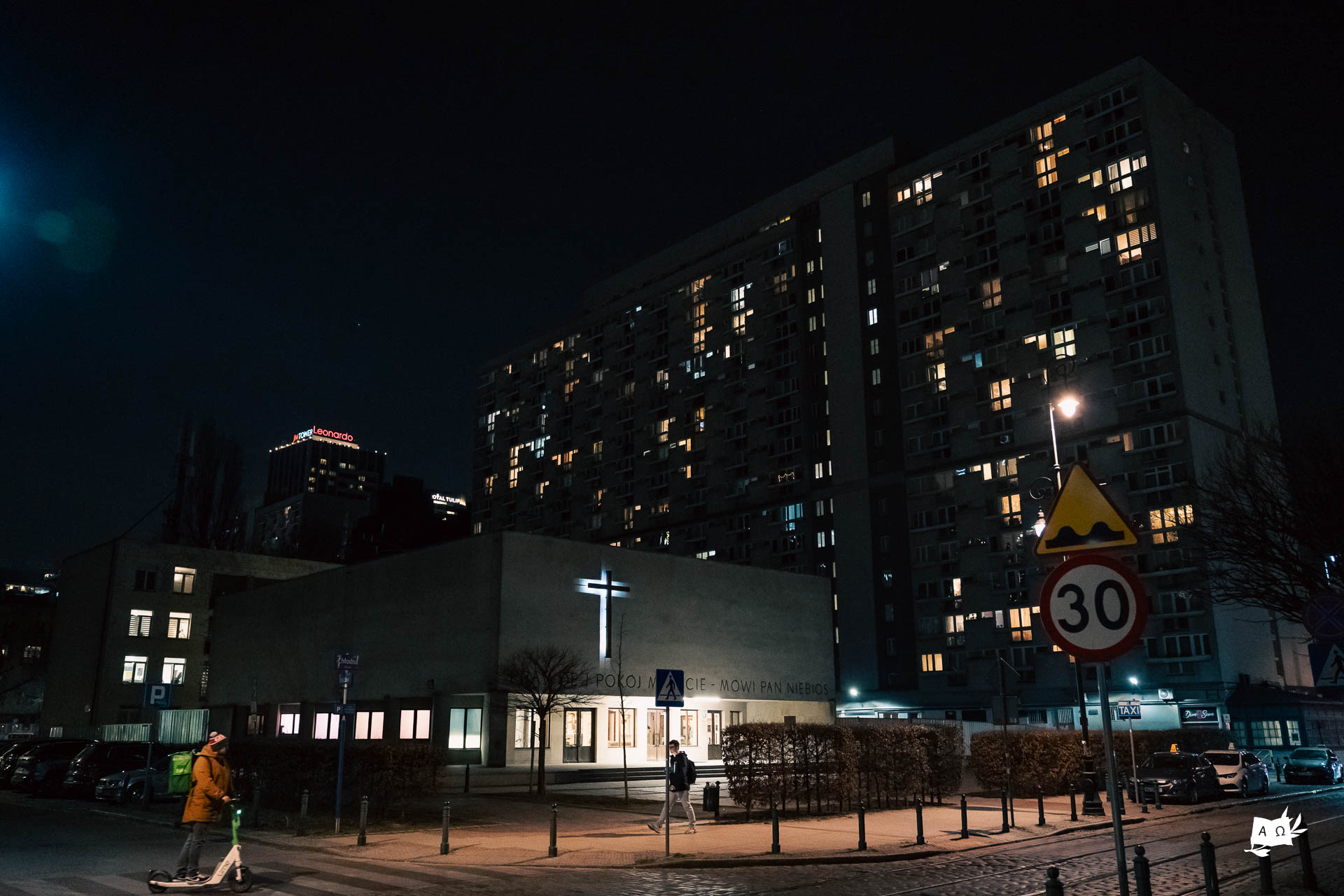
During the afternoon, the participants attended a city tour around the marvelous old town of the Polish capitol. Afterwards, they attended the service of the First Baptist Church of Warsaw where Chris Cook, the leader of the Future Leaders Foundation missionary organization and a pastor, preached based on 2 Timothy 3. ”The world if changing, but remain faithful!” In his biblical encouragement, he talked about endurance with a special emphasis on how we can remain loyal disciples in a world of disorder and moral obscurity. In the beginning of his sermon, he evoked the allegories of light and fog: a lighthouse provides light, sound and guidance, but these still come through fog. ”This truth stands today: we might preach Christ, we might be shining, but the fog, spiritual disorder, relativism, wickedness, still overwhelms us.” The core of the sermon was Paul’s encouragement to Timothy: ”But as for you…” Timothy, you shouldn’t drift away, rather continue in what you have learned, stay true, and don’t let the world shape you. ”Testimony requires loyalty, even in difficult times — even on days when the world sees it as a weakness.” Today, many new ”forms of service” appear. Seemingly, they are about God, but they disown His power. Without the Cross and the Resurrection of Christ – the very substance of the Gospel – these are empty religious speeches. ”For the word of God is alive and active. The Bible is the breath of God – just like human life sprang from His breath. As our physical pain indicates that we are alive, our spiritual fatigue may drive us towards God who, through His words, breathes new life into us.”
At the end of the sermon, he recalled the story of a missionary who died in Africa after 17 years of seemingly unsuccessful service. It was only decades later that a living, growing network of churches rose out of the ground where he walked and worked. ”In the eyes of the world, it was a failure, but in the eyes of God, it was a victory. Sunday is yet to come.” ”Maybe it’s just Friday in your life, maybe it’s Saturday: quiet and emptiness. But Sunday is coming and God will bless your faithfulness.”
At the plenary session of Saturday morning, Pavel Coufal, the President of the Baptist Union of the Czech Republic gave his speech based on the 2 Timothy 4:1–8. He talked about what it means to faithfully stand before God and preach the Gospel today, in a world that closely resemble a pagan environment. Paul encouraged Timothy again and again, because he knew how hard it is to preach the truth in a world where people know only a little of God and where church is an unknown concept to most people. Confusion is a common phenomenon in the East-Central European reality as well, beside mixing religions and ”somethingism” where Christianity is blended with reincarnation, Buddhism, and some kind of mysticism. However, Paul says: ”But as for you…!” You should stay faithful, persist in service, finish the race! Preaching the word of God is not a sole responsibility of preachers. Every single believer is due to testify to the One who died for our sins and resurrected on the third day. We can do it from the pulpit or accompanied with a coffee; the point is willingness to spread the word of God and to be prepared to speak about it ”in season and out of season.” We should pray that we are ready when time comes: ”preach the word, be prepared.” Paul parts with the following: ”I have fought the good fight, I have finished the race, I have kept the faith.” The goal is to stay faithful to the grave and to carry out the ministry entrusted to us with a pure heart and pure thoughts.
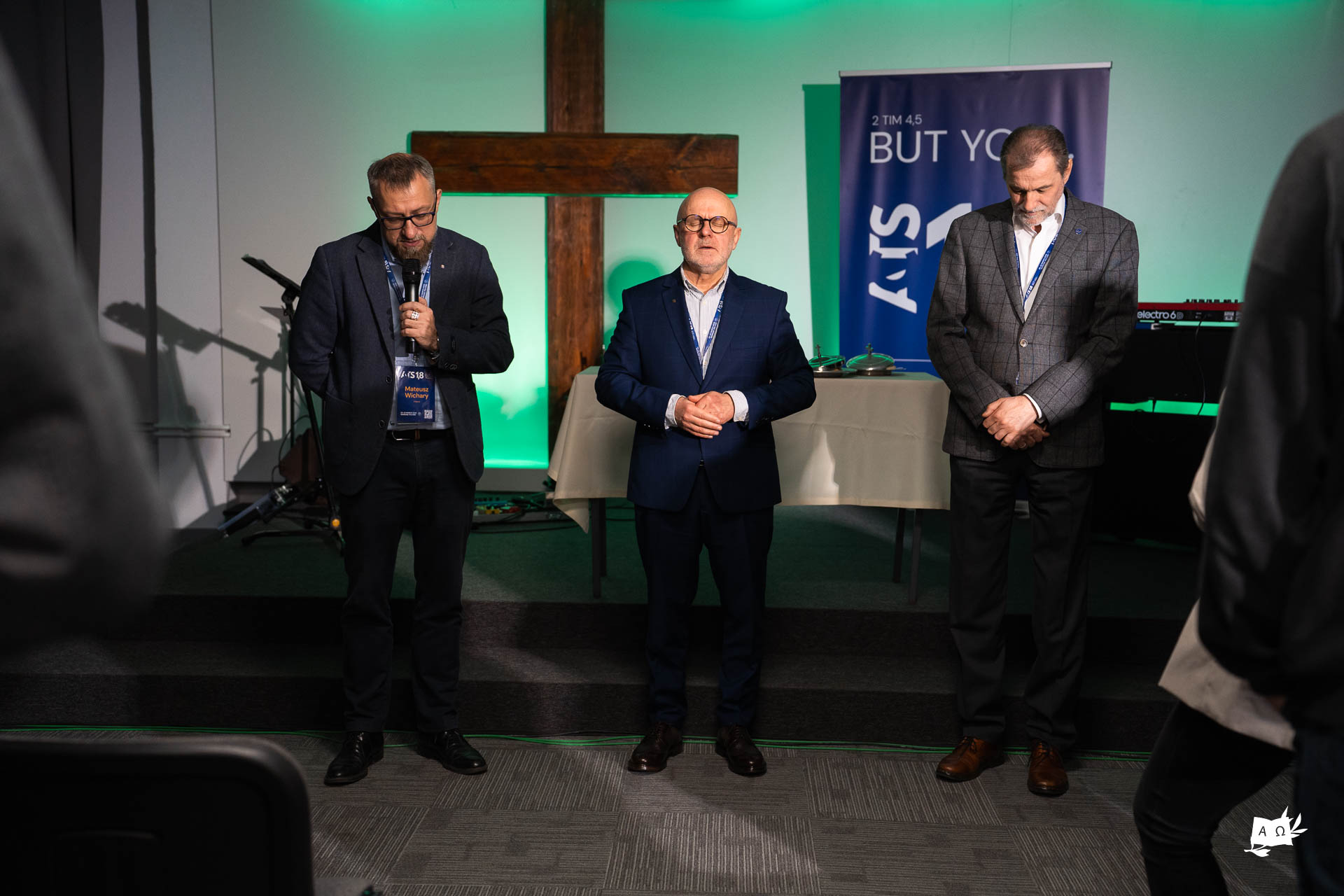
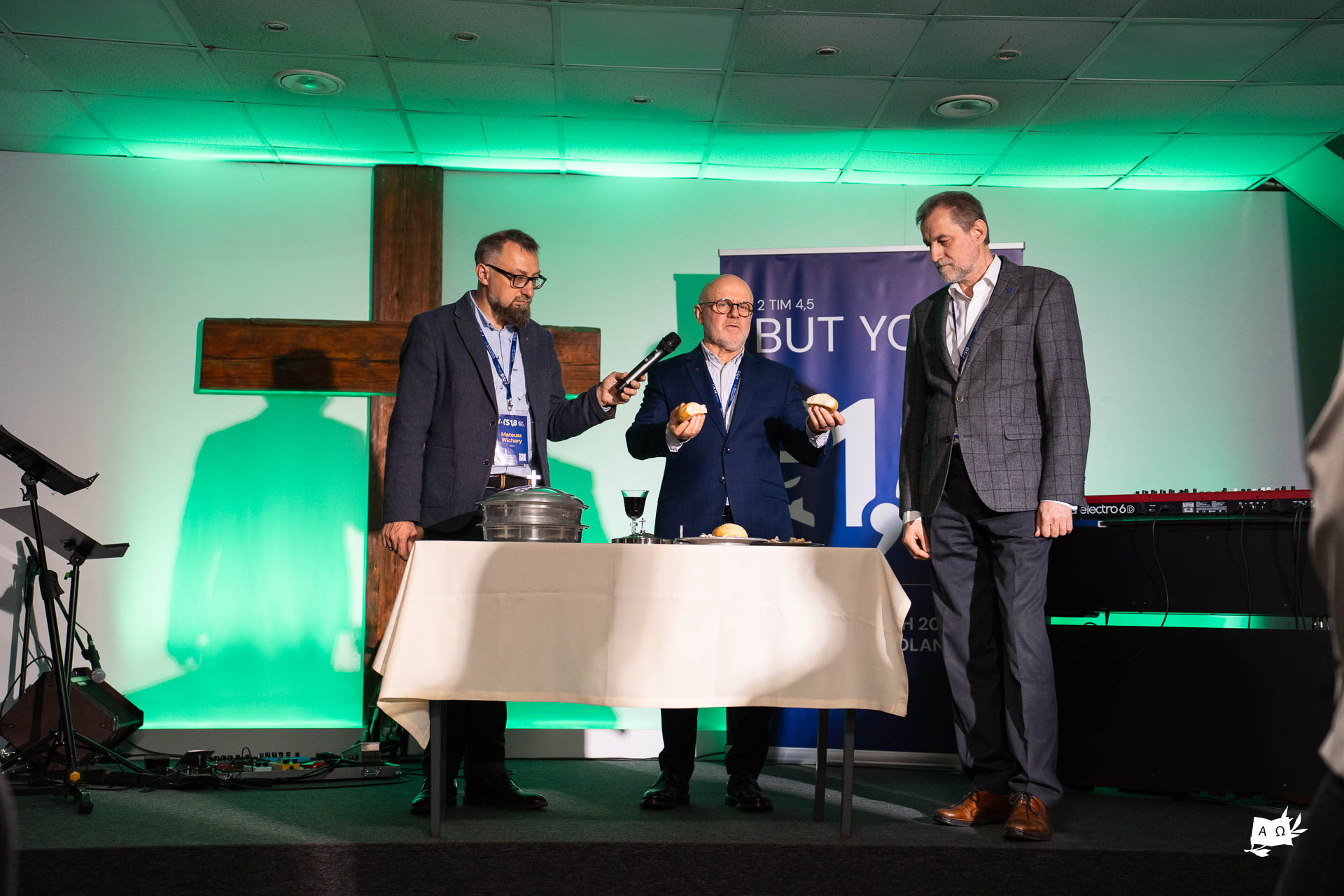
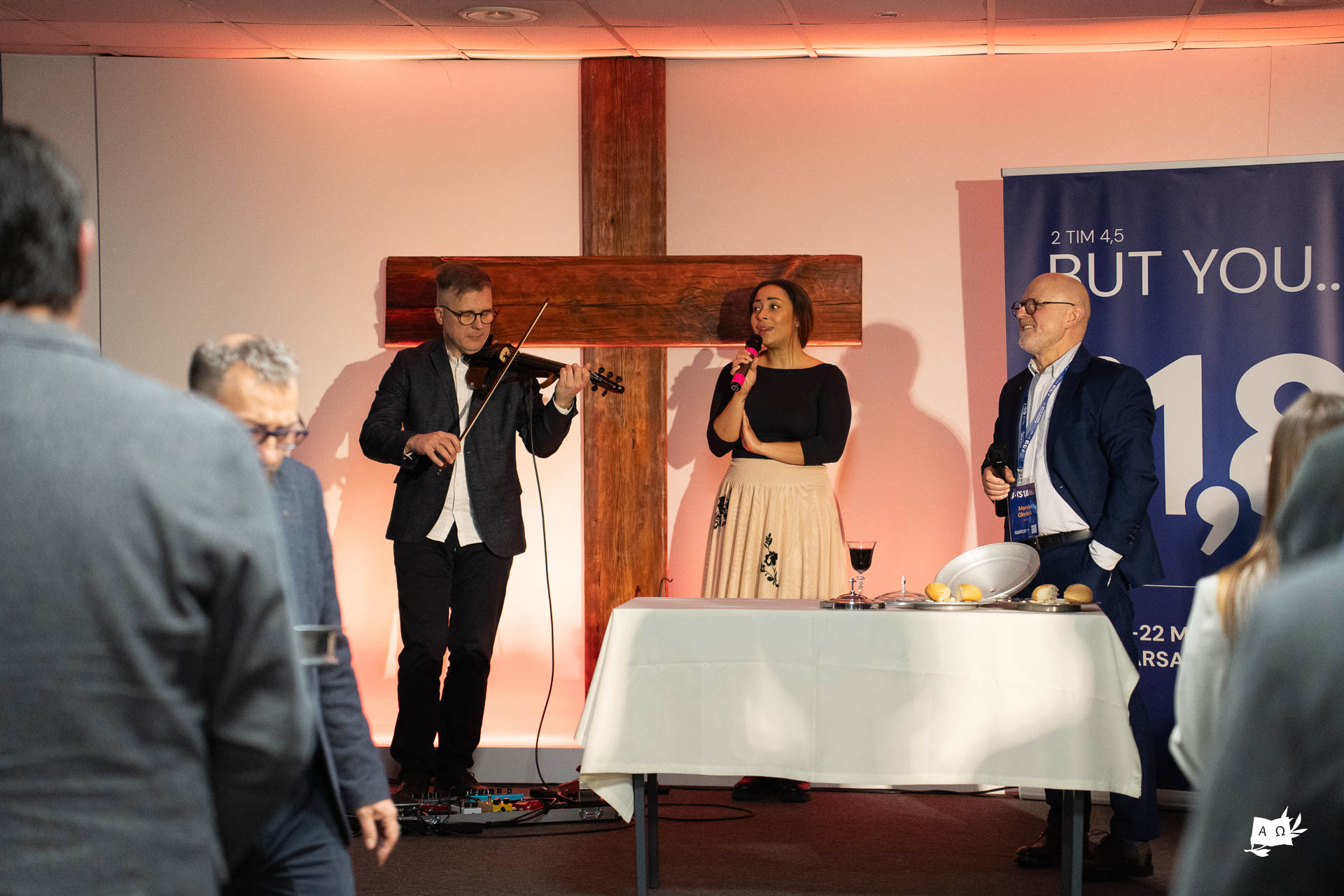
At the closing session of the three-day conference, the sections briefed the others on the work they carried out together. Then we took communion together during a sermon where Mateusz Wichary, the President of the European Baptist Federation preached. What is a sign of true faith? The big number of attendees or charismatic leaders? Our faith is tested in dark places and shows in trials. How do you express gratitude for God’s calling to you? Do you take it as an honor? Some people have the gift of criticizing their pastors and complaining. If you have a sister or brother you have wronged, and both of you love the Lord, then you should go and make amends. As a pastor, have faith in that people can change! It’s important that we are not fighting alone. We have comrades who are serving faithfully.
We are filled with gratitude for the Polish sisters and brothers and for their warm welcome, the outstanding organization and the uplifting worship sessions. The big Hungarian delegation returned home with plenty of spiritual encouragement, not to mention new friendships and brotherly relations.
Kovács Viktória
The participants’ feedback on the event:
János Papp, President of the Baptist Union of Hungary: ”East-Central European Baptists… A few years and decades ago, this concept hardly existed as everybody lived their lives inside their own union. However, we realized that there is more to connect us than to set us apart. We have similar experiences and past, and we share a lot of ideas and visions that unites us. I hope that in the next decade the Baptists of East-Central Europe shall have a stronger cooperation. I pray for it and work for it. I hope the cooperation shall strengthen not only in general, but also in specific areas, such as youth mission, communication, planting churches, education of Theology, leadership, social services and who knows what. At the same time, we would like to extend this social network to those who think like us, but who are unable to find a community in Europe. The vision we received from God – the conservative way of thinking that is faithful to the Bible, evangelical approach, and the diverse and bold missionary initiatives and actions – we would like to expand in these countries. I have a vision that in the next few years, it will be natural for our young to know people in Poland, Hungary, the Czech Republic, Slovakia, Romania, Ukraine, and in all the neighboring countries, and that they will aware of what Acts 1:8 is.”
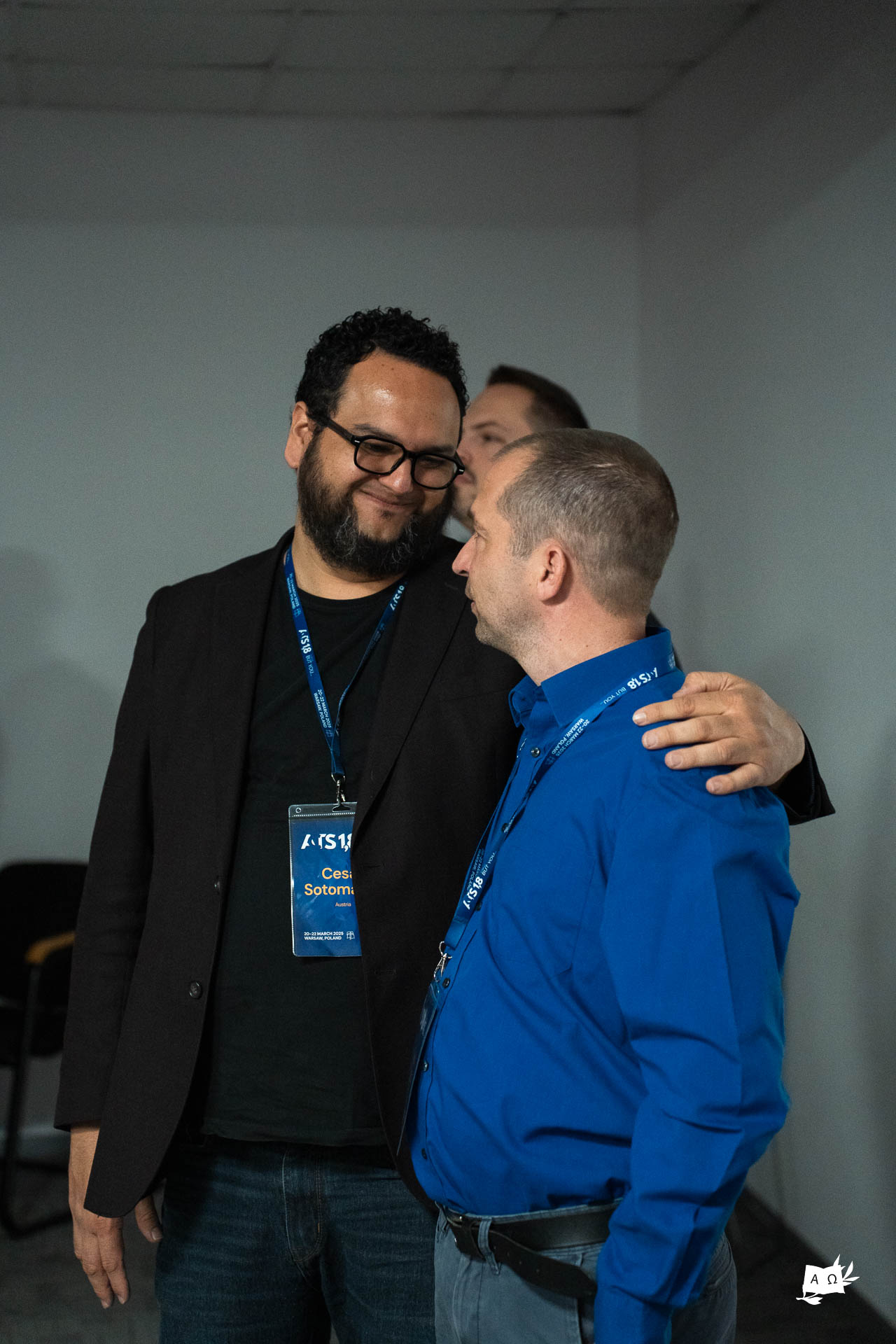
”It has become clear to me that community – especially in Central Europe – is extremely important for many of our sisters and brothers. Not because they think differently, but because they face similar challenges. I believe I’ve already seen that they can help each other regarding these challenges,” said Cesar Sotomayor, the President of EBF’s Church Planting Committee, pastor. ”I wanted to come here, because this is a special community: dedicated people who want to plant churches and bring change to the continent. They are all members of the EBF family. It was amazing to be here. Obviously, the issues we are addressing here are serious and challenging ones, but this is the very essence of the Federation: challenges, connection, and cooperation.”
”This is the first time I attend the Acts 1:8 Conference. I came from Romania, at the invitation of the pastor János Papp. The fact that my brothers and sisters from different Baptist unions of Europe came here with the same desire: to praise the Lord and to bring the Good News to their people made a huge impact on me,” admitted Paul Negrut, the Rector of the Emanuel University of Oradea. ”This experience is inspiring and challenging at the same time, and I hope this is the beginning of a beautiful cooperation.”
”These conferences are important, because, according to the Bible, we have been created in the image of God and for resembling Him – and He is a powerful God. The Bible also says that ‘for God so loved the world…’ But if we only stay in our own countries, then our worlds often remain pretty small. However, when we come to a conference like the Acts 1:8 and we meet brothers and sisters from different cultures, speaking different languages, then God enlarges our hearts in a peculiar way, so we can love the world as He loves it,” said Chris Cook, an American Baptist preacher who has served in Europe in the last 10–12 years. ”At these events, we can be together and share our thoughts. I believe that we are stronger when we are praying together, worshipping together, and talking about the mission God called us to.”
”I’m in a somewhat schizophrenic situation as I could have chosen any of the sections: I’m still involved in the leadership of the church while in the last 3 years, I started to get more involved in teaching in the Department of Theology at the university. Hence these days, I’m more of a teacher, so I prefer to spend my time with those who are working on the same field and are teaching Theology in other countries,” said Benjamin Uhrin, the President of the Baptist Union of Slovakia. ”For me, it is extremely important to be linked to those brothers and sisters who are in similar service. I love to see how they think about the future, what their plans are, and how they are resolving issues. Most often these natural relationships mean more than a carefully planned program. We were happy to bring two younger servants of the Lord, and it is good to see that other delegations brought young ones to make them know this community, to connect, and to prepare for when their time comes to carry on with the ministry.”
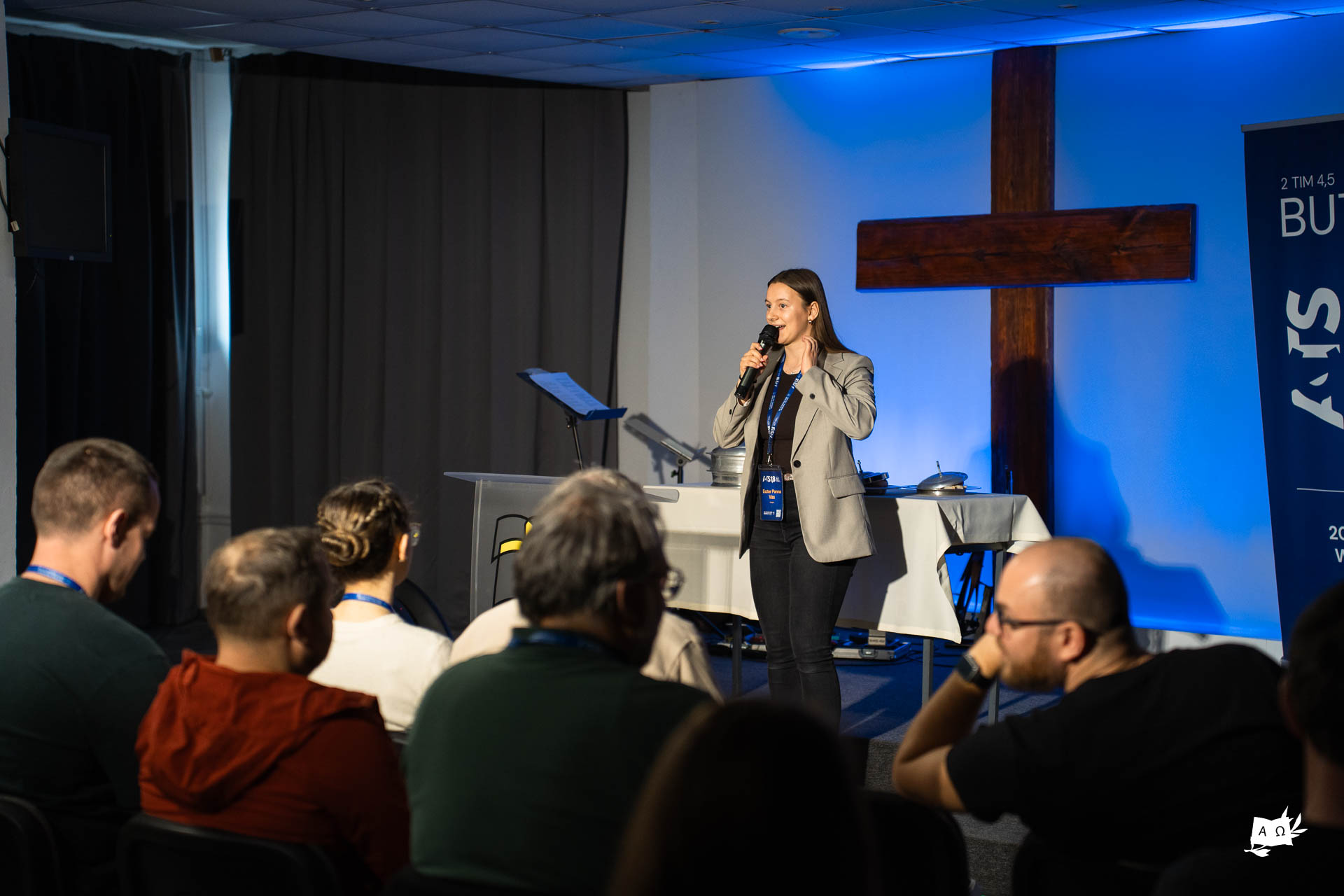
Panna Vas, one of the leaders of Budapestifi (a youth ministry in Budapest, Hungary), arrived as a representative of her group. ”I got involved in the Youth Leadership section here, in Warsaw, and was excited to meet church leaders and pastors. It is a rare opportunity for young people to meet leaders in such an informal setting, so it was an amazing experience to see how precious people they are, how God leads them, and that they are very real. It was an exciting experience in itself that brought forth in me the idea that we need each other, so the body of Christ can develop. We need their wisdom and they need our freshness. For me, this meant the most…”
Sándor Tóth, the pastor of the New Hope Baptist Church in Debrecen, Hungary and leader of the Kornya Program claimed that ”since the first Acts 1:8 Conference in Hungary in 2015, we have met with smaller groups and church planters at workshops 5 times. Hence we already had a stronger cooperation that we could build on. To the church section, everybody brought insights based not only on the lessons learned in the past, but also on living in the present and having visions about the future. As all communities are in a different situation, we can mainly learn general guidelines from each other. In my opinion, planting churches is a quite developed process in Hungary; the system, the strategy, the attitude of the communities. The second strongest strategy is that of our Polish brothers and sisters, where planting churches among refugees is different story. At the moment, they are preparing the launch of 10 new congregations, and there are three independently functioning Ukrainian churches that use Polish buildings already. It is our hearts’ desire to have an evangelical church planting campaign that works in the region in a more powerful, movement-like way. These days, we really need it. We also discussed what falls into our responsibility – what we are entrusted with instead of leaving to God. That’s why we launched an evangelist program in Hungary. The others were intrigued by the Kornya Program itself and the evangelist program it features as well. Kornya Program has already been translated and we now embark on the translation of the evangelist program, too. The Czechs are interested, they want to learn from these materials and try to guarantee the results. I also feel that we, Baptist believers living inside the Hungarian border should plan in terms of the whole Carpathian Basin, with regard to the Kornya Program as well.”
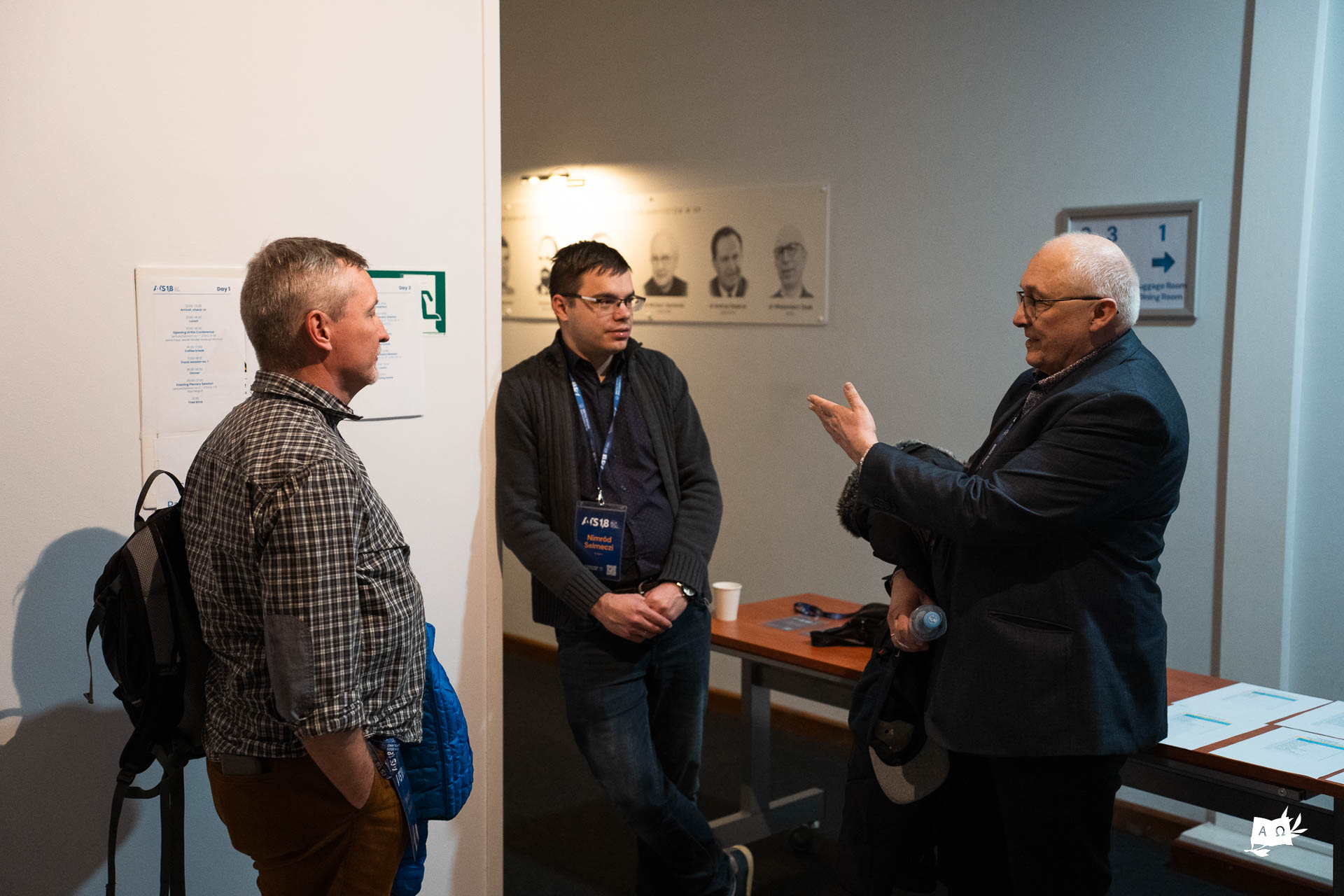
Nimród Selmeczi, the youth pastor the Baptist Church of Kiskőrös (Hungary) said that ”first of all, it was good to see old friends from other countries, and secondly, to be able to meet new people. By now, I know almost all youth leaders in the region who are serving on a national level.” Nimród also revealed that in last November, the first International Youth Worker Training was held in Szeged as a result of the last Acts 1:8 Conference. The idea of the training was born at this event, and they are now planning the next one. Their goal is to invite youth group leaders from even more countries.
The main topic of the youth section was the importance of the health, recreation and integrity of the leaders themselves. ”The greatest help is when we are setting an example before those whom we are leading.” At another talk, we had an invited presenter from the USA and a Polish psychologist, too. Sometimes the conversations ventured into the field of tough questions, such as the handling of those in our youth groups who struggle with their gender. ”We talked about, for example, what a youth group leader can do if one of their people is struggling with something, but the parents are not cooperating. We got practical advice and validation in what we are already representing.”
Many young people are open to mission. They participate in campaigns on the street and apply for missionary trips. ”The real challenge is to make them assume more long-term, permanent missionary roles beside short-term services,” said Nimród. He thinks that the motivation of the young ones is highly dependent on their church background. ”Some of them come from communities where mission is basically nonexistent. First of all, we must help them by reshaping their attitude. But those who are already there are very active and enthusiastic.”
”The Acts 1:8 Conference held in every two year and organized for the fourth time, has come to an end. We are happy that we can be part of this movement that brings together brothers and sisters from East-Central Europe primarily. This is a blessing and a place where we can talk about our work carried out in our churches and on different fields of ministry,” said Marek Glodek, the President of the Baptist Union of Poland, one of the organizers of the event. ”This time, more than 70 participants visited Poland to be together, to learn from each other, and to dig deep into the word of God – into the second letter to Timothy, particularly. We worked in small groups: theology, social media, church planting, leadership of the unions – we touched upon numerous important areas that are crucial to our ministry… I, personally, gained some strength spiritually. I got to know new brothers and sisters, we shared our life stories, and the time we spent together brought me joy. Now I pray that God uses those who return to their respective countries, culture and environment. May the name of the Lord be praised in the ministry we are serving in! I promise that I will pray for you and I ask you to pray for us. Those who will watch this video: please support our ministry and pray for it – and for the next Acts 1:8 Conference in two years time.”ß
4766 megtekintés Élő közvetítés dátuma: 2025. ápr. 6. Papp János lelkipásztor igehirdetése az 1Móz 37:12-17 igeversek alapján. Kecskeméti Baptista Gyülekezet
„12Egyszer a testvérek elmentek Sikembe apjuk nyáját legeltetni.1Móz 33,18-1913Izráel ezt mondta Józsefnek: Testvéreid Sikemben legeltetnek. Gyere csak, elküldelek hozzájuk! József ezt felelte neki: Itt vagyok! 14Apja azt mondta neki: Eredj és nézd meg, hogy jól vannak-e testvéreid és a nyáj! Azután számolj be nekem! Elküldte tehát Hebrón völgyéből, és ő elment Sikembe.1Sám 17,17-18 15Amikor a mezőn bolyongott, találkozott egy emberrel, aki megkérdezte tőle: Mit keresel? 16József azt felelte: A testvéreimet keresem. Mondd meg nekem, merre legeltetnek? 17Az az ember így felelt: Elmentek innen, és hallottam is, amikor ezt mondták: Menjünk Dótánba! Elment tehát József a testvérei után, és megtalálta őket Dótánban.” (1Móz 37:12-17)
17 megtekintés Premier dátuma: 2025. ápr. 6. Pesti Csaba lelkipásztor igehirdetése a Márk 12:1-12 igeversek alapján. Karcagi Baptista Gyülekezet
„1Jézus ekkor példázatokban kezdett szólni hozzájuk: Egy ember szőlőt ültetett, kerítéssel vette körül, borsajtót ásott, és őrtornyot épített. Azután bérbe adta szőlőmunkásoknak, és idegenbe távozott.Ézs 5,1-72Majd amikor eljött az ideje, elküldött a munkásokhoz egy szolgát, hogy megkapja tőlük a részét a szőlő terméséből. 3De azok megragadták a szolgát, megverték, és elküldték üres kézzel. 4Ismét elküldött hozzájuk egy másik szolgát, ezt pedig agyba-főbe verték, és megalázták. 5Újból küldött egy szolgát; ezt megölték, azután sok más szolgát is; némelyeket megvertek, másokat pedig megöltek. 6Volt még egy szeretett fia. Utoljára őt küldte el hozzájuk, mert azt gondolta: A fiamat meg fogják becsülni.Zsid 1,1-27A munkások azonban ezt mondták egymás között: Ez az örökös, gyertek, öljük meg, és mienk lesz az örökség! 8Megragadták, megölték őt, és kidobták a szőlőn kívülre. 9Mit tesz hát majd a szőlő ura? Eljön, és elpusztítja a munkásokat, azután másoknak adja a szőlőt. 10Vajon nem olvastátok a Szentírásban: „A kő, amelyet az építők megvetettek, az lett a sarokkő;Zsolt 118,22-2311az Úrtól lett ez, és csodálatos a mi szemünkben”? 12Ekkor el akarták őt fogni, de féltek a sokaságtól. Mert megértették, hogy róluk mondta a példázatot. Ezért otthagyták őt, és elmentek.” (Márk 12:1-12)
Cím:
5300 Karcag, József Attila u. 11.
Lelkipásztor:
Pesti Csaba
Állandó alkalmak:
Szerda: 18 óra istentisztelet Szombat: 15 óra ifjúsági istentisztelet (minden hónap második szombatján) Vasárnap: 9.30 óra imaóra 10 óra istentisztelet 18 óra istentisztelet
Körzet: Bucsa, Rákóczi u. 16. – 5527; Kisújszállás, Kossuth u. 29. – 5310; Kunmadaras, Bacsó B. u. 11. – 5321; Poroszló, Fehéraklai u. 25. – 3388; Tiszaigar, Dózsa Gy. u. 20. – 5361; Tiszaszentimre, Kör u. 21. – 5322
1742 megtekintés Élő közvetítés dátuma: 2025. márc. 30. Uzonyi Barnabás lelkipásztor igehirdetése a Péld 12:25, 1Sám 9:5, Lk 10:41, 1Kir 19:10.4, Zsolt. 131:1-2, Lk 12:26, Zsolt. 46:3 igeversek alapján. Péceli Baptista Gyülekezet
„Aki aggódik szívében, az levertté lesz, a jó szó viszont felvidítja.” (Péld 12:25)
„Amikor Cúf földjére értek, ezt mondta Saul a legénynek, aki vele volt: Gyere, menjünk vissza, különben apám értünk fog már aggódni, nem a szamarakért.” (1Sám 9:5)
„Az Úr azonban így felelt neki: Márta, Márta, sok mindenért aggódsz és nyugtalankodsz,” (Lk 10:41)
„Ő így felelt: Sokat buzgólkodtam az Úrért, a Seregek Istenéért, mert Izráel fiai elhagyták szövetségedet, lerombolták oltáraidat, prófétáidat pedig fegyverrel ölték meg. Egyedül én maradtam meg, de az én életemet is el akarják venni… ő pedig elment a pusztába egynapi járóföldre. Odaért egy rekettyebokorhoz, és leült alá. Azt kívánta, bárcsak meghalna, és így szólt: Elég most már, Uram! Vedd el az életemet, mert nem vagyok jobb elődeimnél!” (1Kir 19:10.4)
„1Zarándokének. Dávidé. Uram, nem fuvalkodik fel a szívem, nem kevély a tekintetem. Nem törekszem arra, ami túl nagy és elérhetetlen nekem. 2Inkább csitítottam, csendesítettem lelkemet, mint anya a gyermekét. Mint a gyermek, olyan most a lelkem.” (Zsolt. 131:1-2)
„Ha tehát a legcsekélyebbre sem vagytok képesek, miért aggódtok a többi miatt?” (Lk 12:26)
„Azért nem félünk, ha megindul is a föld, és hegyek omlanak a tenger mélyébe;” (Zsolt. 46:3)
167 megtekintés Élő közvetítés dátuma: 2025. márc. 30. Dr. Bukovszky Ákos igehirdetése a 2Móz 8:16-9:12 igeversek alapján. József utcai Baptista Gyülekezet
„Negyedik csapás: a bögölyök16Azután ezt mondta az Úr Mózesnek: Állj oda korán reggel a fáraó elé, amikor kimegy a vízhez, és mondd ezt neki: Így szól az Úr: Bocsásd el népemet, hogy áldozattal szolgáljon nekem! 17Mert ha nem bocsátod el népemet, akkor én bögölyöket bocsátok rád, udvari embereidre, népedre és házaidra. Bögölyökkel telnek meg az egyiptomiak házai, sőt az a föld is, amelyen ők laknak.Zsolt 78,45;Zsolt 105,3118De kivételt teszek azon a napon Gósen földjével, ahol az én népem tartózkodik, és ott nem lesznek bögölyök, hogy megtudd: Én, az Úr, itt vagyok az országban.2Móz 9,4.6.26;2Móz 10,23;2Móz 11,6-7;2Móz 12,13;Mal 3,1819Így teszek különbséget az én népem és a te néped között. Holnap történik meg ez a jel. 20Az Úr így is cselekedett: Tömegestül jöttek a bögölyök a fáraónak és udvari embereinek házaiba, úgyhogy egész Egyiptomban szenvedett a föld a bögölyök miatt. 21Ekkor hívatta a fáraó Mózest és Áront, és ezt mondta: Menjetek, áldozzatok Isteneteknek itt az országban! 22De Mózes azt felelte: Nem volna helyes így cselekednünk, mert utálatos az egyiptomiaknak az, amit mi Istenünknek, az Úrnak áldozunk. Hiszen ha olyasmit áldozunk, ami az egyiptomiak szerint utálatos, megköveznek bennünket. 23Kimegyünk háromnapi járóföldre a pusztába, hogy ott áldozzunk Istenünknek, az Úrnak, ahogyan megparancsolta nekünk. 24Akkor ezt mondta a fáraó: Én elbocsátalak benneteket, hogy a pusztában áldozzatok Isteneteknek, az Úrnak. Csak nagyon messze ne menjetek! Könyörögjetek értem! 25Mózes így felelt: Én most kimegyek tőled, könyörgök az Úrhoz, és holnap eltávoznak a bögölyök a fáraóról, udvari embereiről és népéről. De ne csapjon be többé minket a fáraó azzal, hogy nem bocsátja el a népet áldozni az Úrnak! 26Azután kiment Mózes a fáraótól, és könyörgött az Úrhoz. 27Az Úr pedig Mózes szava szerint cselekedett: Eltávolította a bögölyöket a fáraóról, udvari embereiről és népéről, úgyhogy egy sem maradt. 28De ezúttal is konok maradt a fáraó szíve, és nem bocsátotta el a népet. Ötödik csapás: a dögvész1Azután ezt mondta az Úr Mózesnek: Menj be a fáraóhoz, és így beszélj vele: Így szól az Úr, a héberek Istene: Bocsásd el népemet, hogy áldozattal szolgáljon nekem! 2Mert ha nem akarod elbocsátani, és még mindig visszatartod őket, 3akkor megveri az Úr keze a mezőn levő jószágodat: a lovakat, szamarakat, tevéket, marhákat és juhokat igen nagy dögvésszel. 4De különbséget tesz az Úr Izráel jószága és az egyiptomiak jószága között, és egy sem hullik el abból, ami Izráel fiaié. 5Az időpontot is megszabta az Úr: Holnap cselekszi meg az Úr ezt a dolgot az országban. 6Másnap meg is cselekedte ezt az Úr, és elhullott az egyiptomiak összes jószága. De Izráel fiainak jószágából egy sem hullott el. 7A fáraó oda is küldött, és kitűnt, hogy Izráel fiainak a jószágából egy sem hullott el. De konok volt a fáraó szíve, és nem bocsátotta el a népet. Hatodik csapás: a hólyagos fekély8Azután ezt mondta az Úr Mózesnek és Áronnak: Vegyetek egy tele marok kemencekormot, és szórja azt Mózes az ég felé a fáraó szeme láttára! 9Porfelhővé válik az egész Egyiptom fölött, és hólyagos fekélyeket támaszt az embereken és állatokon egész Egyiptomban. 10Vették azért a kemencekormot, odaálltak a fáraó elé, és Mózes az ég felé szórta azt. Ekkor hólyagos fekélyek támadtak az embereken és állatokon.Jel 16,2 11A mágusok már oda sem tudtak állni Mózes elé a fekélyek miatt, mert fekélyek támadtak a mágusokon is meg minden egyiptomin. 12De megkeményítette az Úr a fáraó szívét, és nem hallgatott rájuk, ahogyan megmondta Mózesnek az Úr.” (2Móz 8:16-9:12)
Vasárnapi programjaink 09:00 10:00 Gyermekek korosztályoknak megfelelő kiscsoportos foglalkozása (minden vasárnap) A hónap 1. és ha van, 5. vasárnapján: közös imaóra A hónap 2. és 4. vasárnapján: kiscsoportos Biblia-tanulmányozás felnőtteknek A hónap 3. vasárnapján: külön női és férfi imaóra 10:00 11:00 Istentisztelet (minden vasárnap, a hónap első vasárnapján Úrvacsorával) 16:00 17:00 Énekkari próba 17:00 18:30 Istentisztelet (minden vasárnap, kivéve a hónap harmadik vasárnapját) A hónap harmadik vasárnapján nincsen összejövetel
1571 megtekintés 2025. márc. 30. Novák Zsolt lelkipásztor igehirdetése a Mk 13:32-37 igeversek alapján. B18 Baptista Közösség
„32Azt a napot viszont vagy azt az órát senki nem tudja, sem az angyalok az égben, sem a Fiú, hanem csak az Atya. 33Vigyázzatok, virrasszatok! Mert nem tudjátok, mikor jön el az az idő. 34Amint az útra kelő ember is, amikor elhagyja házát, megbízza szolgáit, mindegyiket a maga feladatával, az ajtóőrnek is megparancsolja, hogy vigyázzon. 35Vigyázzatok tehát, mert nem tudjátok, mikor tér vissza a ház ura; este vagy éjfélkor, kakasszóra vagy reggel; 36ha váratlanul megérkezik, nehogy alva találjon titeket! 37Amit pedig nektek mondok, azt mindenkinek mondom: Vigyázzatok!” (Mk 13:32-37)
1263 megtekintés Élő közvetítés dátuma: 2025. márc. 29. Női konferencia. Petrikné Sáfrány Judit: Isten nagyszerű asszonyai avagy bátor szívű segítőtársak. Debreceni Baptista Gyülekezet
189 megtekintés Élő közvetítés dátuma: 2025. ápr. 3. BÉKÉS Mike Pál lelkipásztor igehirdetése a Róma 12:1-8 igeversek alapján. Békési Baptista Gyülekezet
„Az okos istentisztelet1Kérlek azért titeket, testvéreim, az Isten irgalmasságára, hogy okos istentiszteletként szánjátok oda magatokat élő, szent, Istennek tetsző áldozatul, 2és ne igazodjatok e világhoz, hanem változzatok meg értelmetek megújulásával, hogy megítélhessétek, mi az Isten akarata, mi az, ami jó, ami neki tetsző és tökéletes. A kegyelmi ajándékok sokfélesége és a gyülekezet egysége3A nekem adott kegyelem által mondom tehát közöttetek mindenkinek: ne gondoljátok magatokat többnek, mint amennyinek gondolnotok kell, hanem arra igyekezzék mindenki, hogy józanul gondolkozzék az Istentől kapott hit mértéke szerint. 4Mert ahogyan egy testnek sok tagja van, de nem minden tagnak ugyanaz a feladata,1Kor 12,125úgy sokan egy test vagyunk Krisztusban, egyenként pedig egymásnak tagjai. 6Mert a nekünk adott kegyelem szerint különböző ajándékaink vannak, eszerint szolgálunk is: aki a prófétálás ajándékát kapta, az a hit szabálya szerint prófétáljon;1Kor 12,4-11;1Pt 4,107aki a szolgálat ajándékát kapta, az végezze szolgálatát; a tanító a tanítást, 8a vigasztaló a vigasztalást, az adakozó szerénységgel, az elöljáró igyekezettel, a könyörülő pedig jókedvvel.” (Róm 12:1-8)
„1Néhány nap múlva ismét elment Kapernaumba, és elterjedt a híre, hogy otthon van. 2Erre olyan sokan gyűltek össze, hogy még az ajtó előtt sem volt hely; ő pedig hirdette nekik az igét. 3Oda akartak hozzá menni egy bénával, akit négyen vittek. 4De mivel a sokaság miatt nem vihették őt hozzá, megbontották a tetőt ott, ahol ő volt, és a résen át leeresztették az ágyat, amelyen a béna feküdt. 5Jézus pedig látva a hitüket, így szólt a bénához: Fiam, megbocsáttattak a te bűneid. 6Ott ültek néhányan az írástudók közül, és így tanakodtak szívükben: 7Hogyan beszélhet ez így? Istent káromolja! Ki bocsáthat meg bűnöket az egy Istenen kívül?Zsolt 130,48Jézus lelkében azonnal felismerte, hogy így tanakodnak magukban, és ezt mondta nekik: Miért tanakodtok így szívetekben? 9Melyik a könnyebb? Azt mondani a bénának, hogy megbocsáttattak a te bűneid, vagy azt mondani, kelj fel, vedd az ágyadat és járj? 10Azért pedig, hogy megtudjátok, az Emberfiának van hatalma bűnöket megbocsátani a földön – így szólt a bénához: 11Neked mondom, kelj fel, vedd az ágyadat, és menj haza! 12Az pedig felkelt, azonnal felvette az ágyát, és kiment mindenki szeme láttára; úgyhogy ámulatba estek mind, dicsőítették Istent, és ezt mondták: Ilyet még sohasem láttunk!” (Mk 2,1-12)
vasárnap 9.00 áhítat; 10.00 és 17.00 istentiszteletek kedd 18.00 bibliaklub Istent keresők és a Biblia iránt érdeklődők számára szerda 18.00 bibliaóra szombat 17.30 ifjúsági óra
A weboldalon cookie-kat használunk, amik segítenek minket a lehető legjobb szolgáltatások nyújtásában. Weboldalunk további használatával jóváhagyja, hogy cookie-kat használjunk.OkTovábbi információk